Interview: Niall Chang, Travel + Landscape Photographer
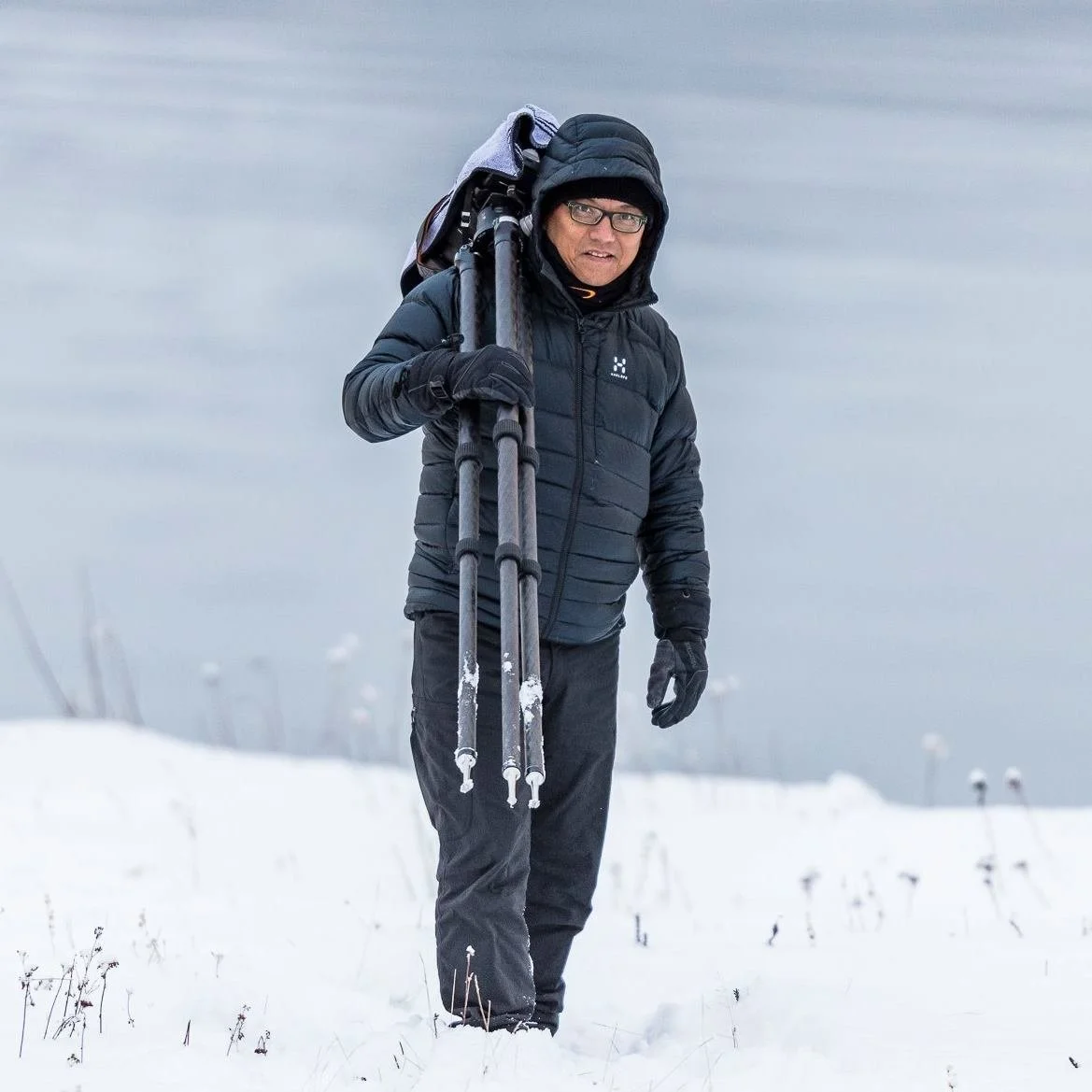
Photographer: Niall Chang
Based: Sydney, Australia
Instagram: @niallchang
Quick-Fire Questions
Favorite lens? 24-70mm f2.8
Presets or manual editing? Manual
Sunrise or sunset? Probably sunset, getting up at 4am is tough
Favorite snack while shooting/travelling? Museli bars
The Interview
1. Can you share a little insight about your photography journey?
My father took a lot of holiday snaps with his Rollei 35 when we were growing up. When I was maybe 10 years old, he bought me my first camera, it was an Agfa 126. Then in junior high I started shooting 35mm film and did a lot of black and white processing and printing in the school’s dark room. Further education, career, family and in general life just got in the way until 2005 when I bought my first digital SLR to photograph my own family, it was a Nikon D70 with a ground breaking 6.1 megapixels cropped sensor!! I met another parent at my son’s school who used to be a professional photographer in the US, she let me shadowed her when we were photographing school events such as musical productions, fund raising events etc. Throughout my son’s schooling, I did a lot of sports photography, week in week out, this gave me a lot of practice time and in hindsight the best way to hone in camera skills.
Then in 2013, I attended an exhibition and talk by 3 of Australia’s most renowned landscape photographers, Peter Eastway, Tony Hewitt and Christian Fletcher. After the event I got to talk to Hewitt and he invited me to join them on their workshop to Karijini National Park in Western Australia, a place I had never heard of. I went along 6 months later and despite all the photography I had done to that point, I felt like a fish out of water. In addition to learning that all my gear was not suitable for landscape and travel photography, the trip gave me a sense of adventure, travelling to a very remote part of Australia, to be with nature, waking at 4am to experience incredible light at sunrise and most importantly meeting a group of like minded people, from all walks of life, some of them I still call friends to this day, priceless. Since then, I have learned to combine travel and photography and have been fortunate enough to visit some amazing and less travelled places until social media came along.
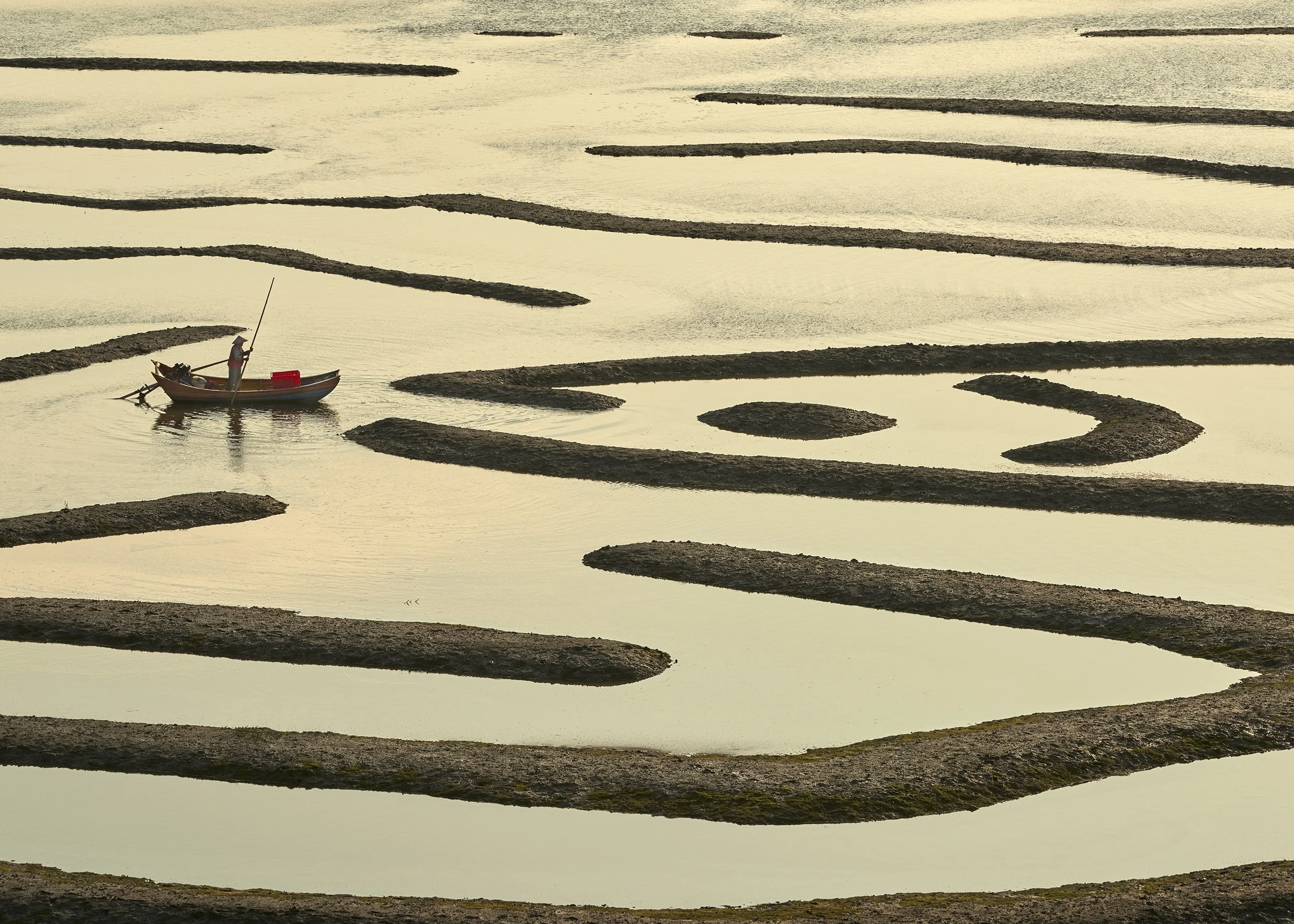
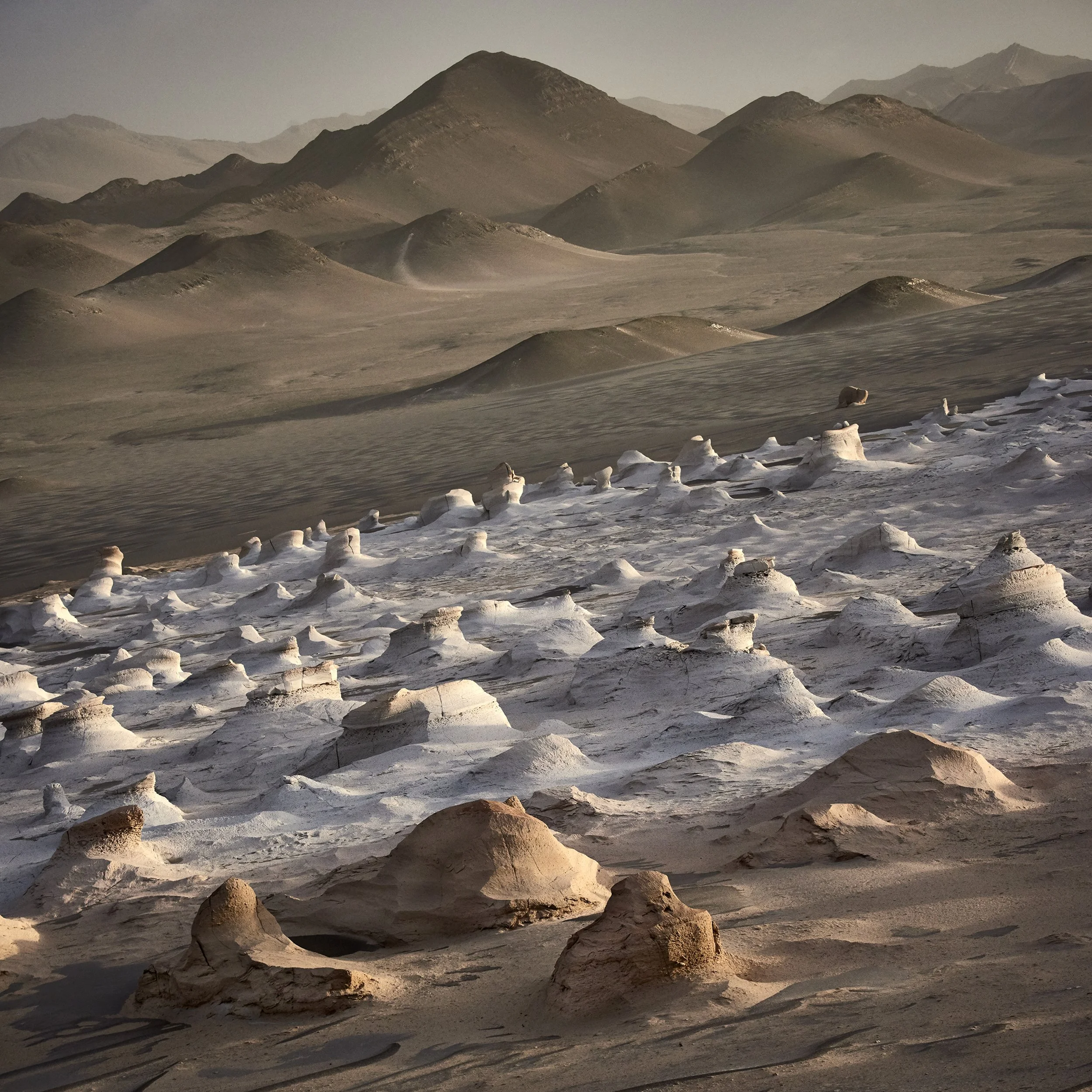
2. What type of environments are you drawn to photograph?
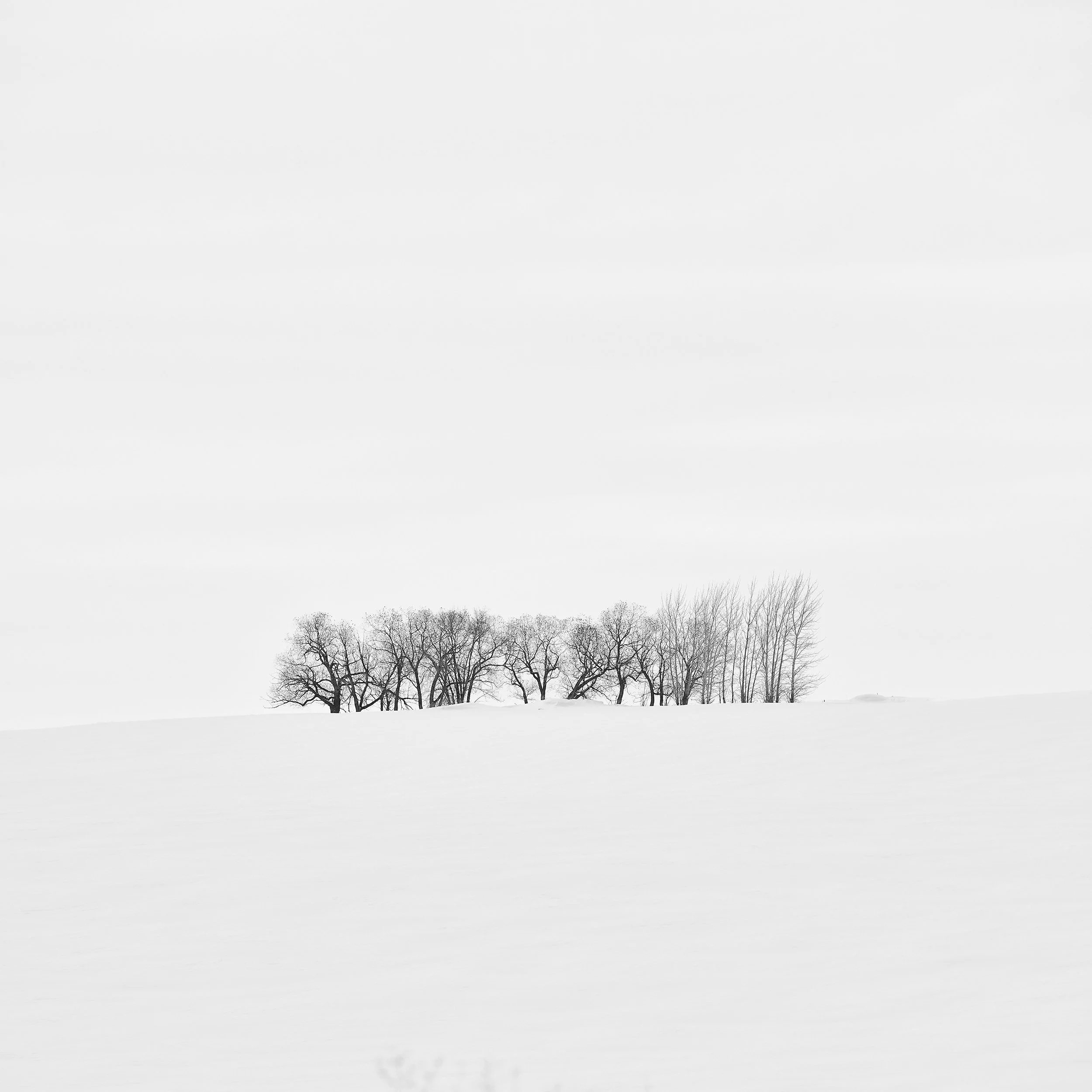
I consider myself primarily a landscape photographer and I am drawn to expansive landscape, think mountainous scenes with sky reaching peaks, dramatic weather would be a bonus! I am also a skier so I love snow capped peaks, trees and minimalistic landscapes as we don’t get much snow in Australia. One of my first overseas photography trips was to the Lofoten islands in Norway in the depth of northern hemisphere winter. The light was low and soft and the day long; colourful villages with jagged mountains as a backdrop, all in all, a photographer’s heaven. In contrast the dry arid landscapes of Death Valley in California and Vermilion Cliffs in Arizona in the US also provide that expansive and surreal environment.
“My father took a lot of holiday snaps with his Rollei 35 when we were growing
up. When I was maybe 10 years old, he bought me my first camera, it was an
Agfa 126. Then in junior high I started shooting 35mm film and did a lot of black
and white processing and printing in the school’s dark room. Further education,
career, family and in general life just got in the way until 2005 when I bought my
first digital SLR to photograph my own family, it was a Nikon D70 with a ground
breaking 6.1 megapixels cropped sensor!!”
3. Can you share a destination that felt like it transformed your approach to photography? Somewhere that everything either ‘clicked’, or you felt inspired to capture some of your best work.
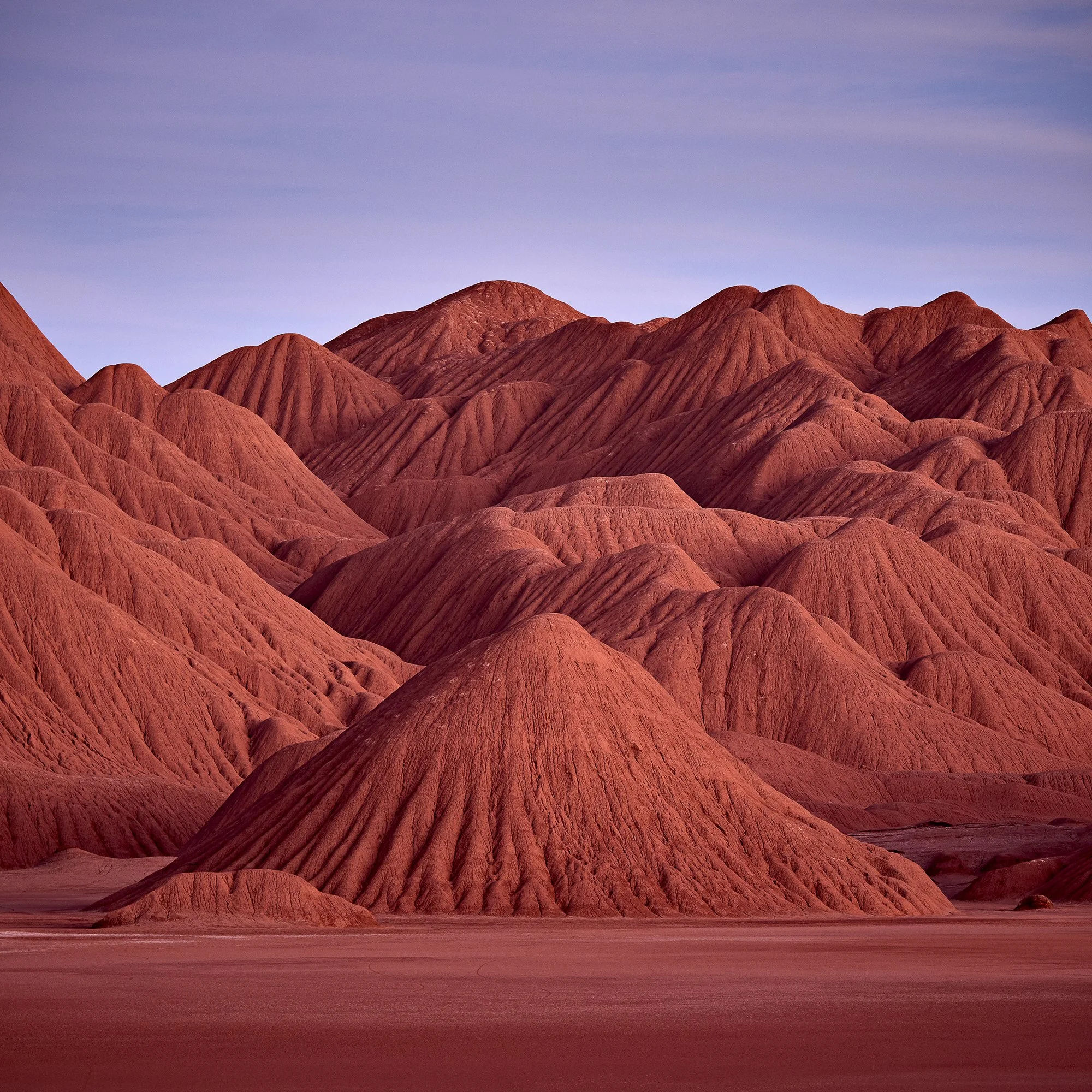
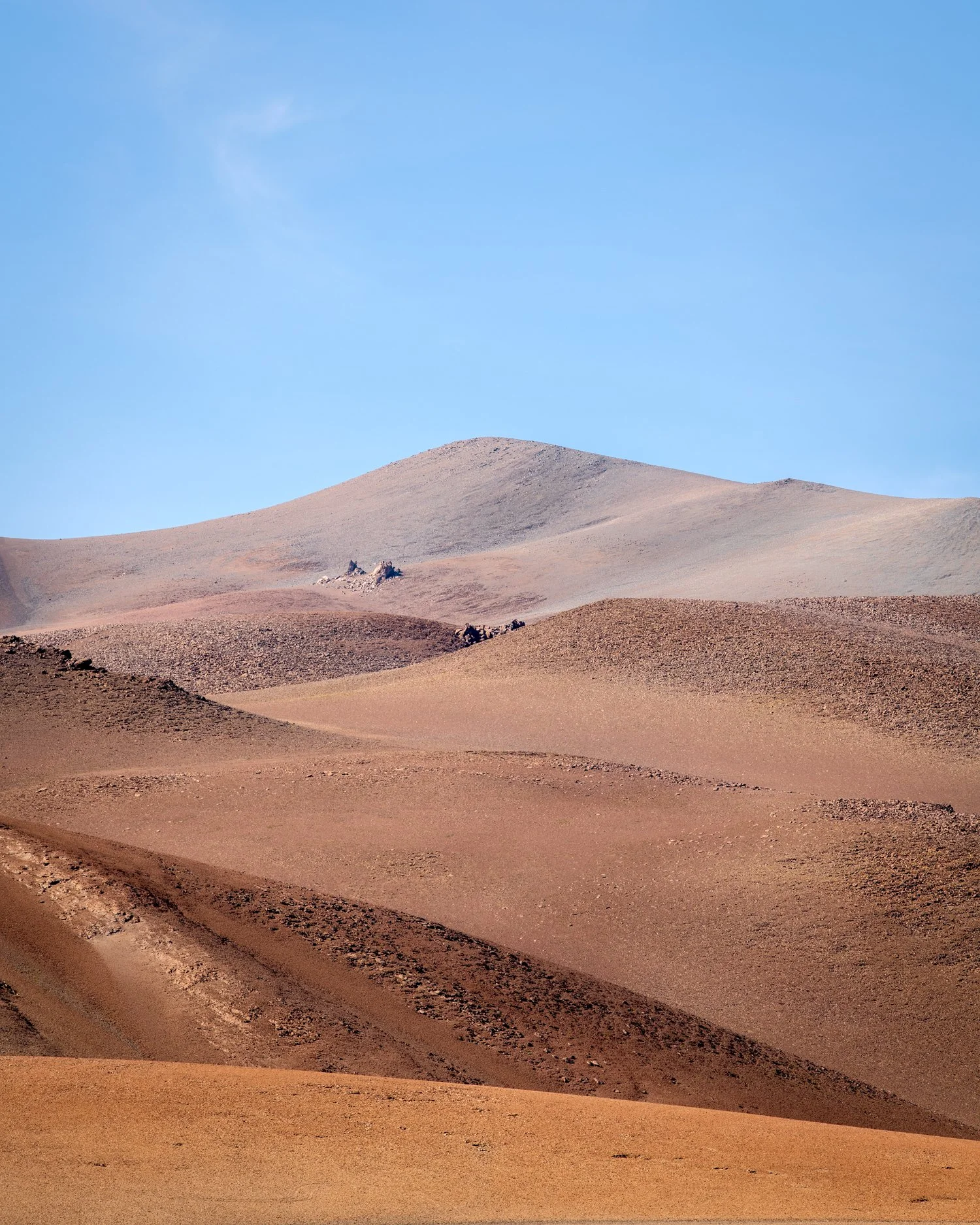
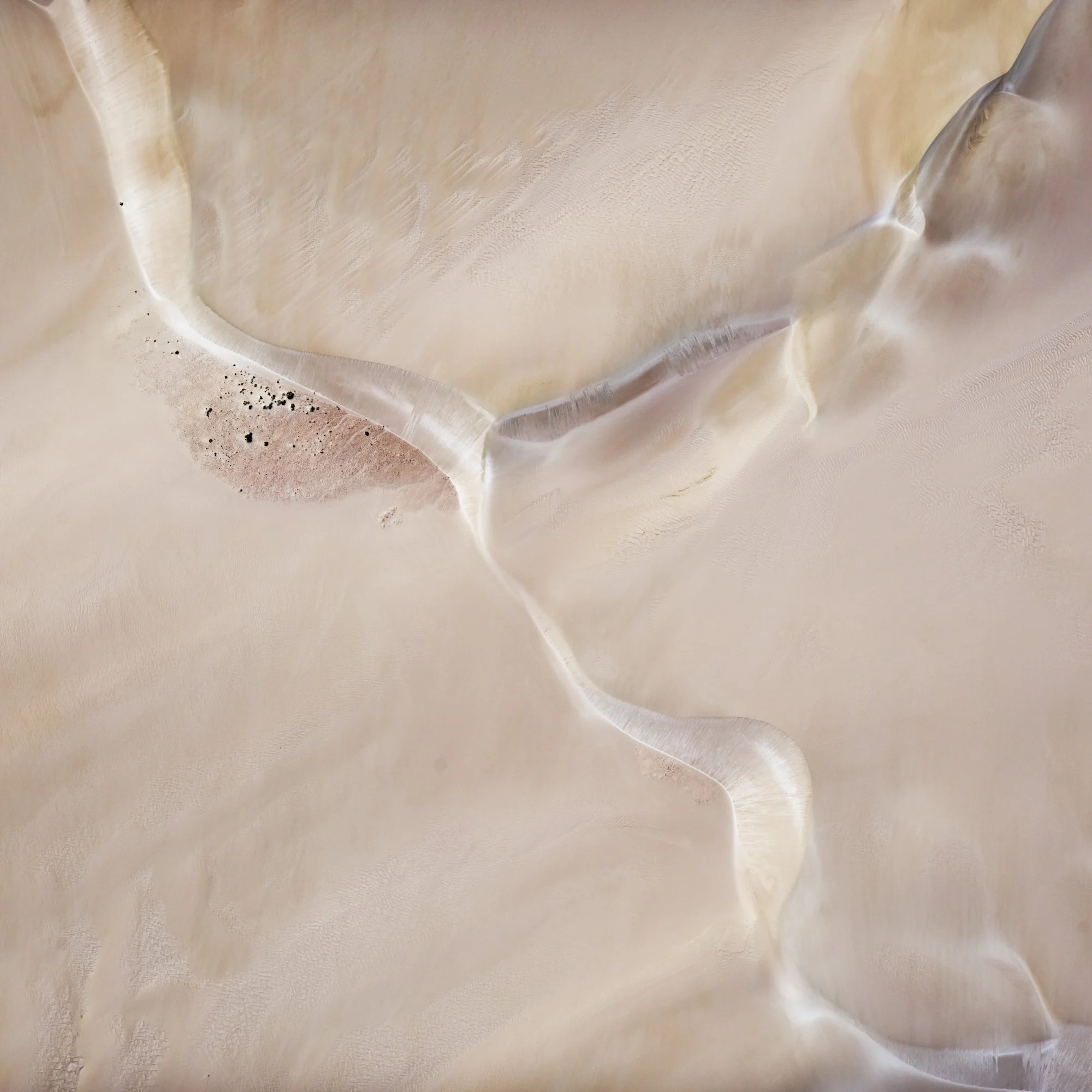
I would probably say the Atacama desert in Chile, everywhere you look is simply otherworldly. The landscape is diverse and when one zooms in with a mid- range zoom lens such as a 70-200mm, there are many different patterns and textures to be had. During post-processing, colours simply pop and with different tonal range. I started to experiment with the square format to showcase the various landscapes, some with low contrast which seem to resonate with many viewers.
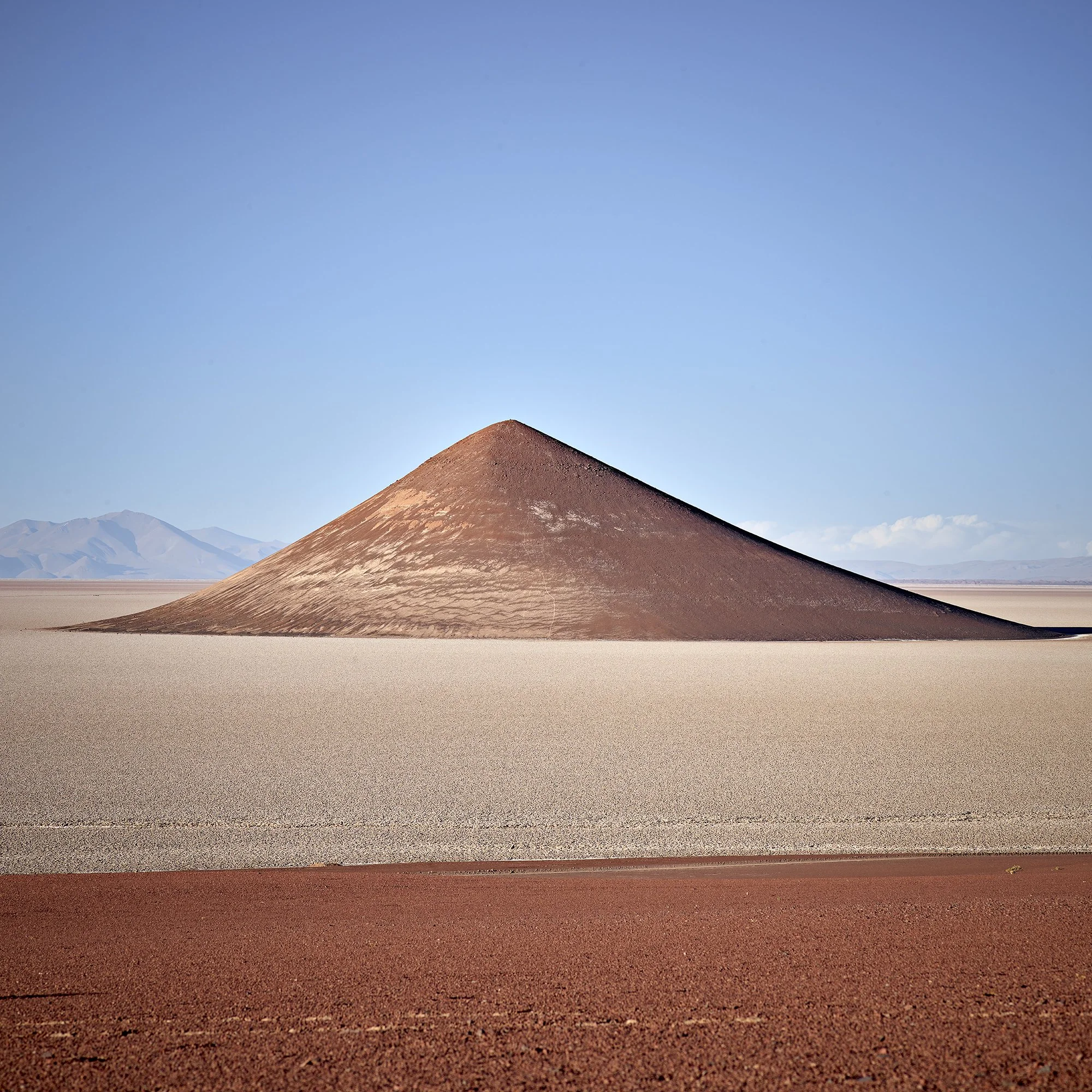
4. Do you have a favourite image with a great backstory about how/where you captured it?
From time to time I would ask myself this same question - I don’t really have one specific image but my goal is always to convey to the audience what I see at a particular location, I want the viewer to see what I see when and if they ever visit the same place. Hence I keep my post-processing subtle, just enough to bring out the detail. As photographers we are all story tellers through our images in lieu of words. I would hope that every image I share tells a story - the adventure to get to the location, the condition at the time, the light and the reason the image was framed and captured. I hope every image I share can convey all of that.
5. What one experience or tour (can be anywhere!) would you recommend to other photographers?
I recently went on a month long journey to Antarctica and South Georgia. It was a treacherous experience crossing the Drake Passage to get there from southern Argentina but when I saw the first mountainous iceberg floated past our ship, all the suffering was forgotten. And to learn of the stories of Shackleton and the early explorers, their courage and sense of adventure, the path and measures they chose to take in order to survive in such desolate environment, put us modern day travellers to shame. Definitely a bucket list destination and experience.
6. A scene or subject that’s on your wishlist?
I would love to photograph the jagged peaks of the Dolomites, particularly in the autumn when there is an explosion of colours. Of course in winter too with dramatic snow-capped peaks. Another bucket list destination is Greenland.
7. Can you share some advice for photographers just starting out?
#1 - In terms of gear, don’t chase megapixels, get fast glass - most of us don’t regularly make 40-inch prints so we don’t need high pixels whereas good glass will help you capture the sharpest images;
#2 - Learn camera craft and get to know your camera settings;
#3 - Enter competitions, especially those that can provide you with feedback or watch live judging and listen to the judges’ comments. Back in 2019 and 2021 I was runner-up in the landscape category of a competition in which Lisa was a judge. She gave some very constructive and educational comments to my portfolios. I took them on board, practised and applied to a portfolio that won that category a couple of years later.
#4 - Last but not least, practice, practice, practice, unlike a roll of 36 film, memory cards and digital storage are relatively cheap nowadays, also experiment during editing, the only way to learn and find your own style.
8. The #1 photo location you’ll always recommend or return to?
I have been to Iceland twice and would return in a heartbeat. In every season and at every region, there is always an image to be had, Iceland provides a surreal experience with otherworldly landscapes.
Follow Niall’s adventures on Instagram here.