Interview: Bridgette Gower, Australian Macro Photographer
Photographer: Bridgette Gower
Based: Cairns, Queensland, Australia
Instagram: @bridgettegower
Website: aussiemacrophotos.com
Quick-Fire Questions
Favorite lens? M.Zuiko Digital ED 60mm F2.8 lens
Presets or manual editing? Manual
Sunrise or sunset? Sunset
Favorite snack while shooting/travelling? Canned Dolmades
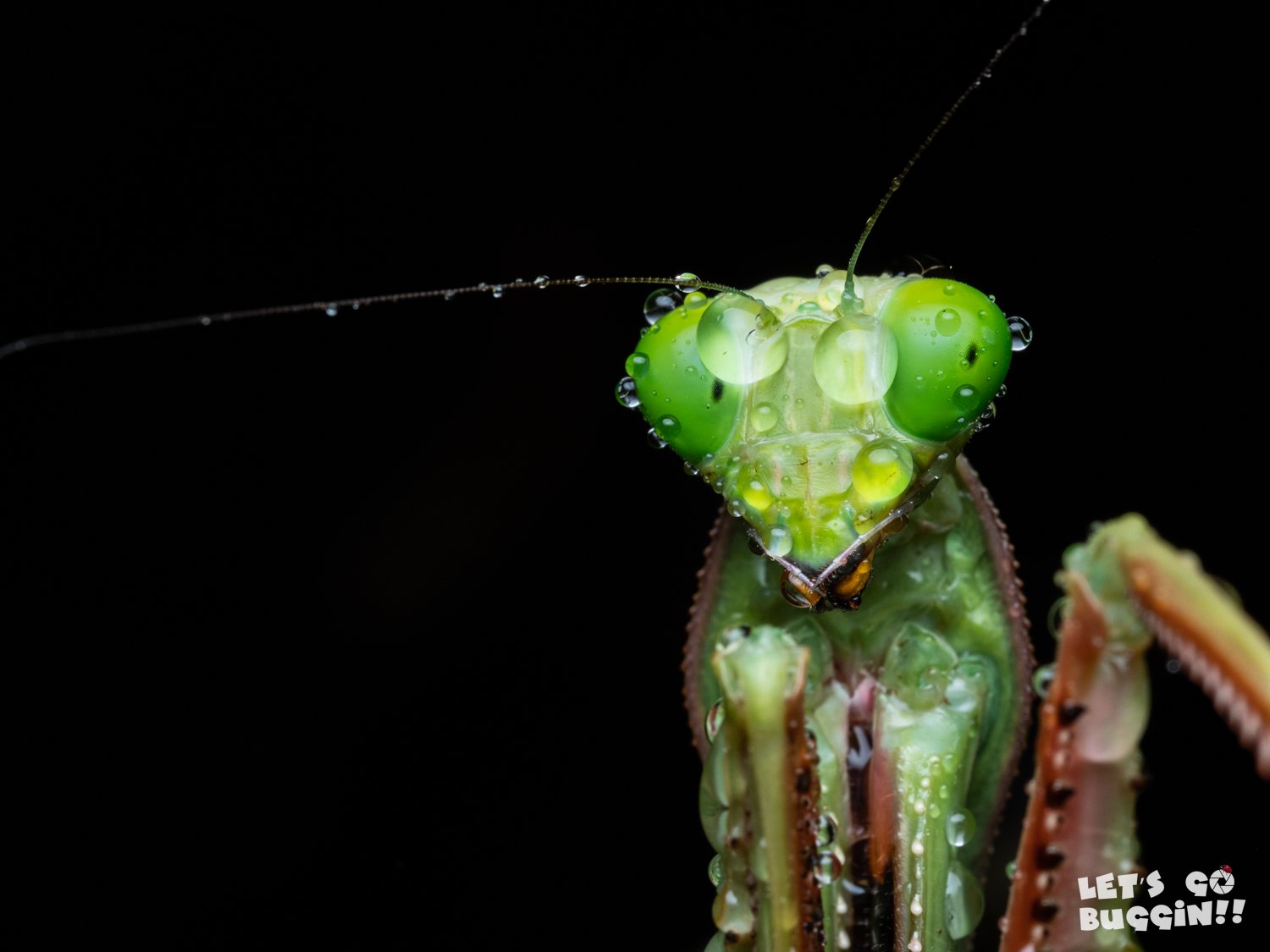
Favourite insect/bug to photograph? Praying Mantis
The Interview
1. How did you first get into photography, and what were your early influences/inspirations?
I’ve always loved photography, but it was during my time in Antarctica with Sea Shepherd in 2016/17 that I decided to pursue it more seriously. I’ve long been fascinated and inspired by the natural world, and photography became a way for me to capture and share its beauty with others.
David Attenborough documentaries was a constant companion when learning about the natural world and he’s had an immeasurable influence on me and my life directions.
2. Were you always drawn to macro photography?
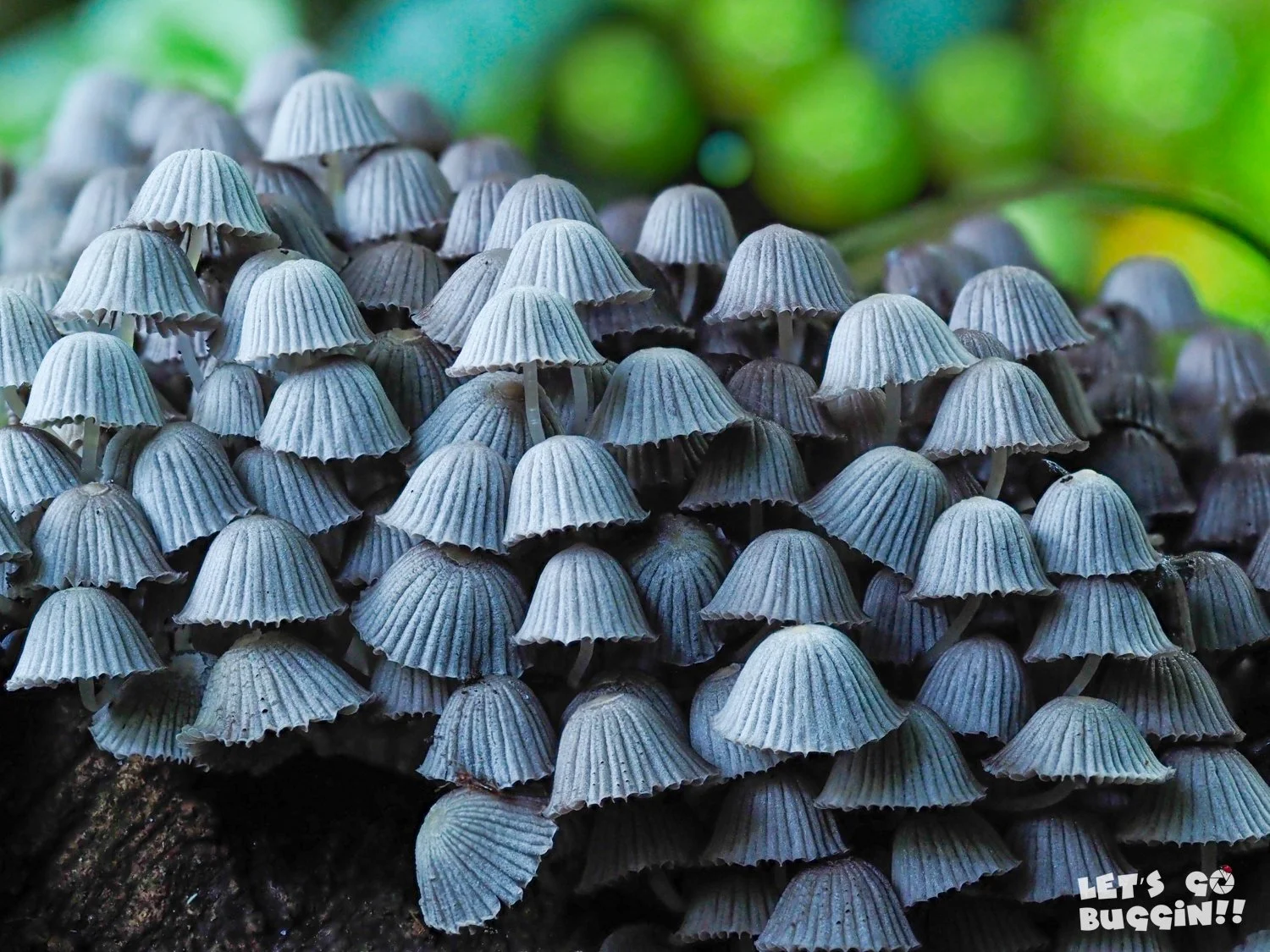
Yes, macro photography was always something I wanted to explore, although I didn’t actually try it for the first time until 2019. I bought my first macro lens during an extended wet season in Cairns and taught myself by photographing the incredible abundance of mushrooms thriving in the damp conditions. It turned out to be the perfect introduction to macro photography; mushrooms don’t move or fly away, which gave me the chance to slow down, experiment with different settings, and really learn the craft.
“One of the biggest differences with macro photography compared to other styles of photography is understanding minimum focus distance and how to use the focus limiter effectively. Getting comfortable with these basics first makes a huge difference.”
3. What gear do you usually have in your bag? Are there any accessories you never leave home without?
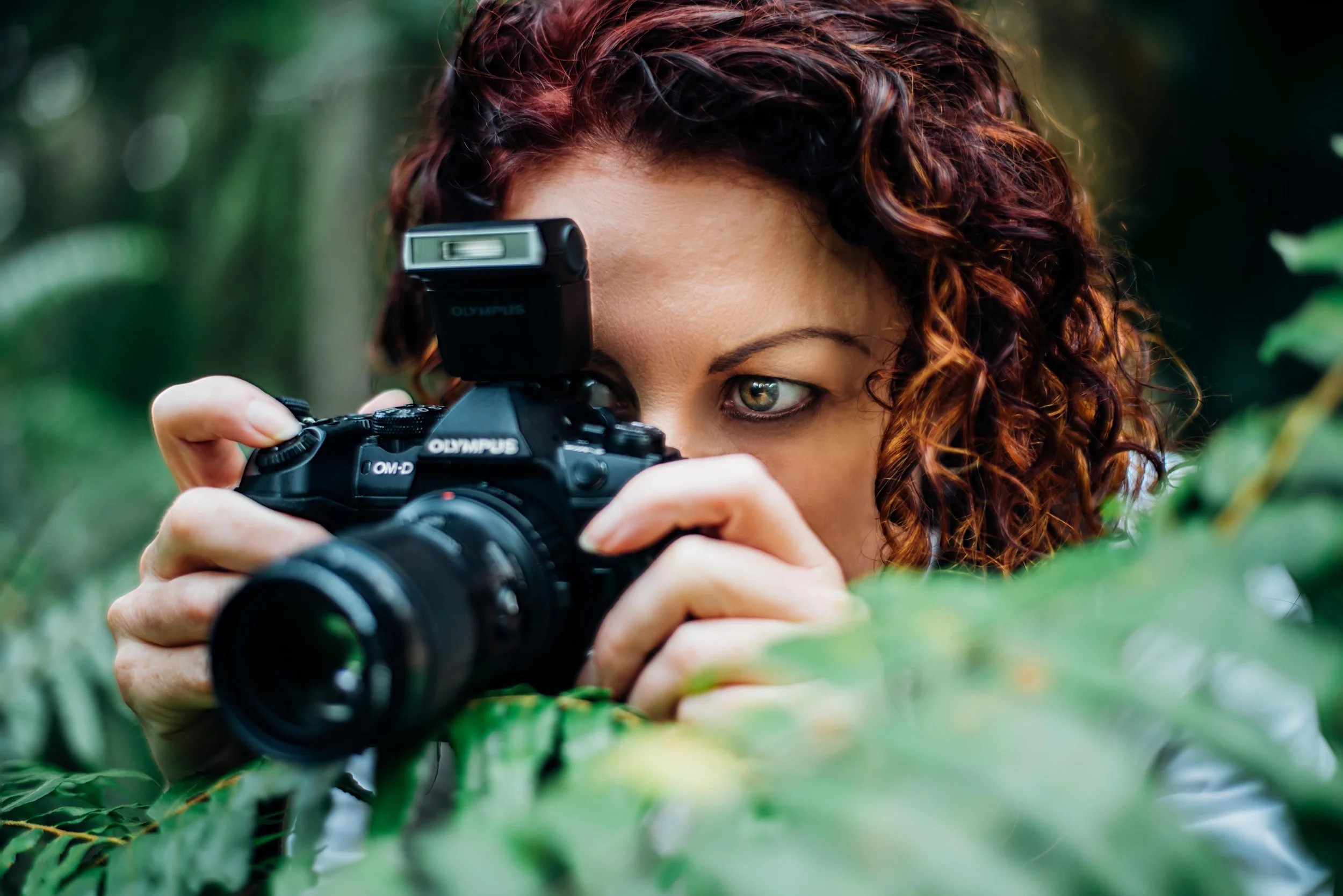
My standard go-to camera setup is:
OM SYSTEM OM-1 II
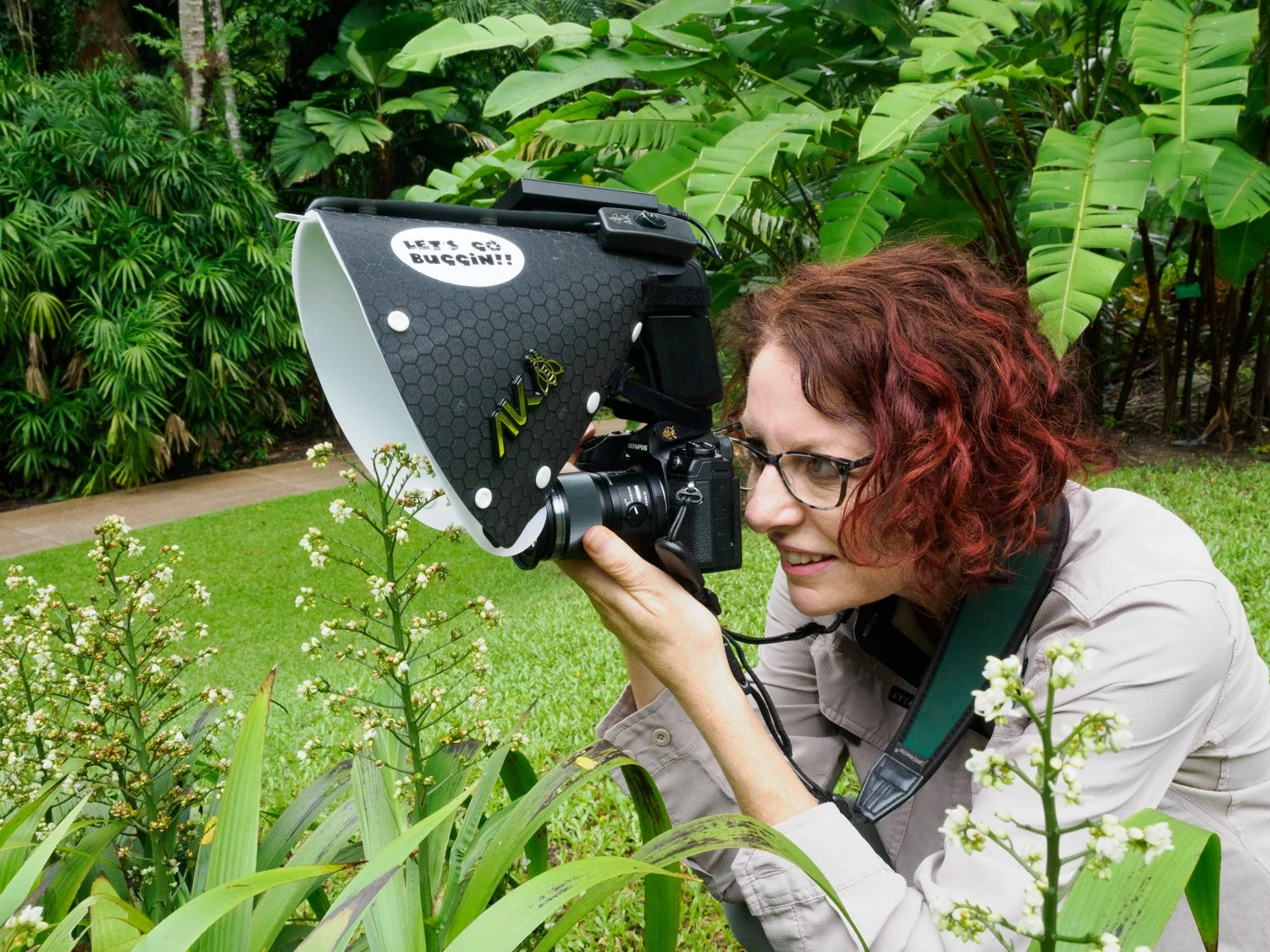
M.Zuiko Digital ED 60mm F2.8 lens with Godox V350o Flash and A.K. Diffuser
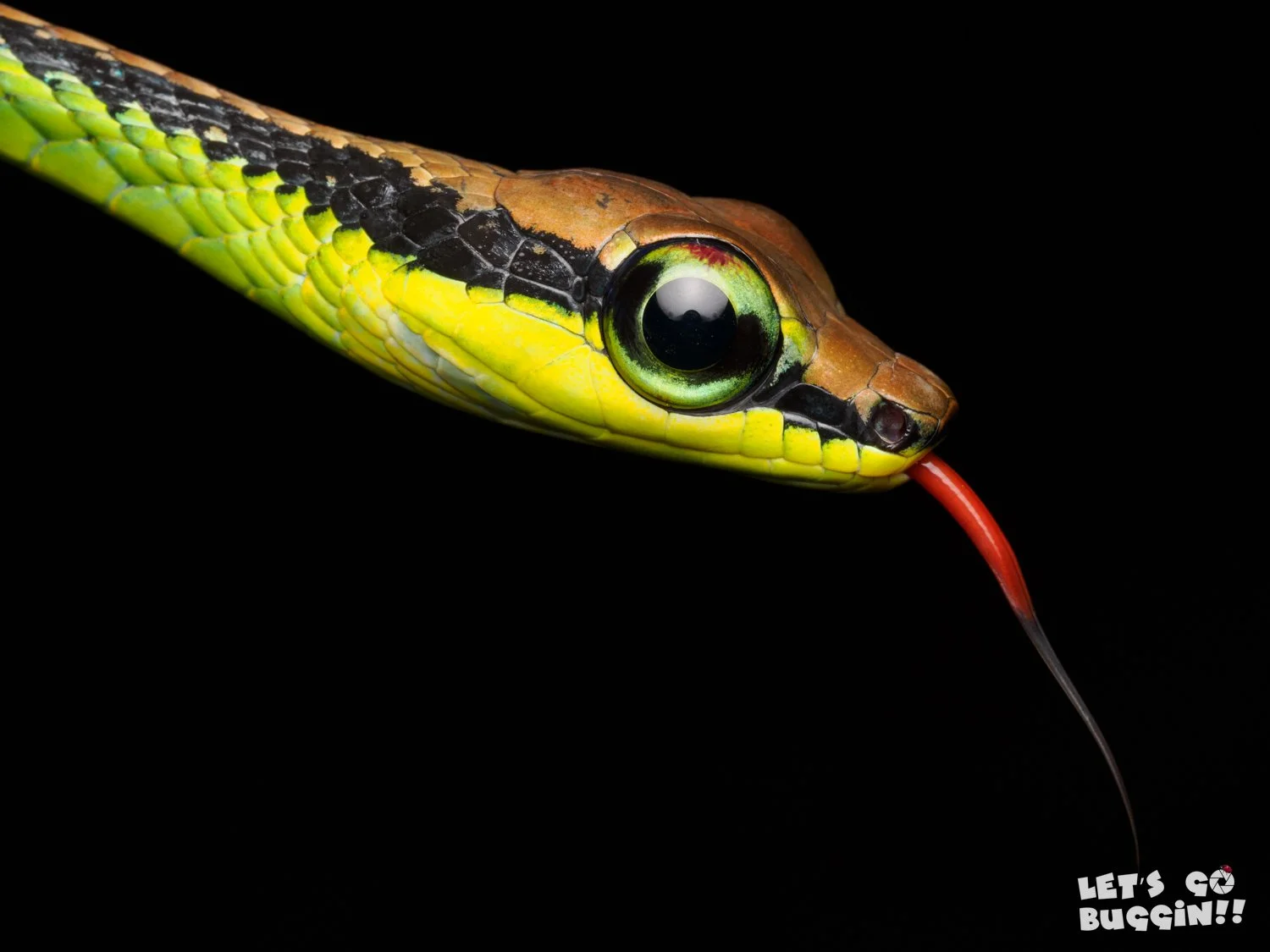
But I’ve also got a soft spot for some wide-zoom lenses that I use as a wide-angle macro lens for some slightly bigger animals like snakes and frogs. I have these lenses and play around with all of them in different situations.
M.Zuiko Digital ED 7-14mm F2.8 PRO
M.Zuiko Digital ED 12-45mm F4.0 PRO
M.Zuiko Digital ED 12-40mm f2.8 PRO
M.Zuiko Digital ED 8-25mm F4.0
Also really love the M.Zuiko Digital ED 40-150mm f2.8 PRO which is fantastic for trekking through the rainforest and capturing animals in low-light situations.
For birding, the OM SYSTEM M.Zuiko Digital ED 150-600mm f/5-6.3 IS lens combined with the OM SYSTEM OM-1 II subject detection is incredible!
4. Do you have any favourite camera settings or post-processing techniques you rely on for your work?
My ‘Goto’ setting for a spider or insect with my 60mm macro lens and flash and diffuser is ISO 200, f11, 250/1 and flash power on 1/8
I use Lightroom to process my photos and will often play around with different crops, especially for Social Media.
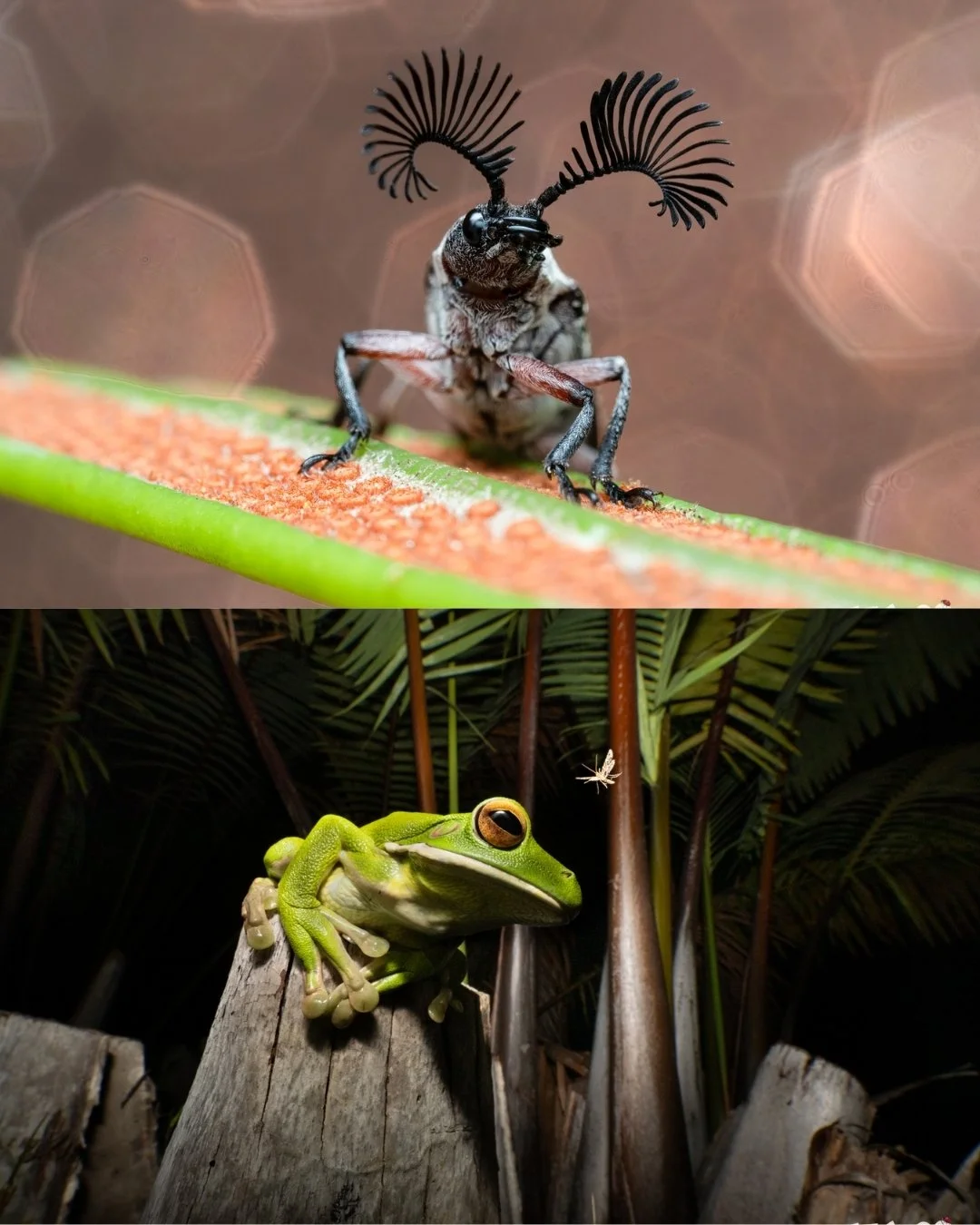
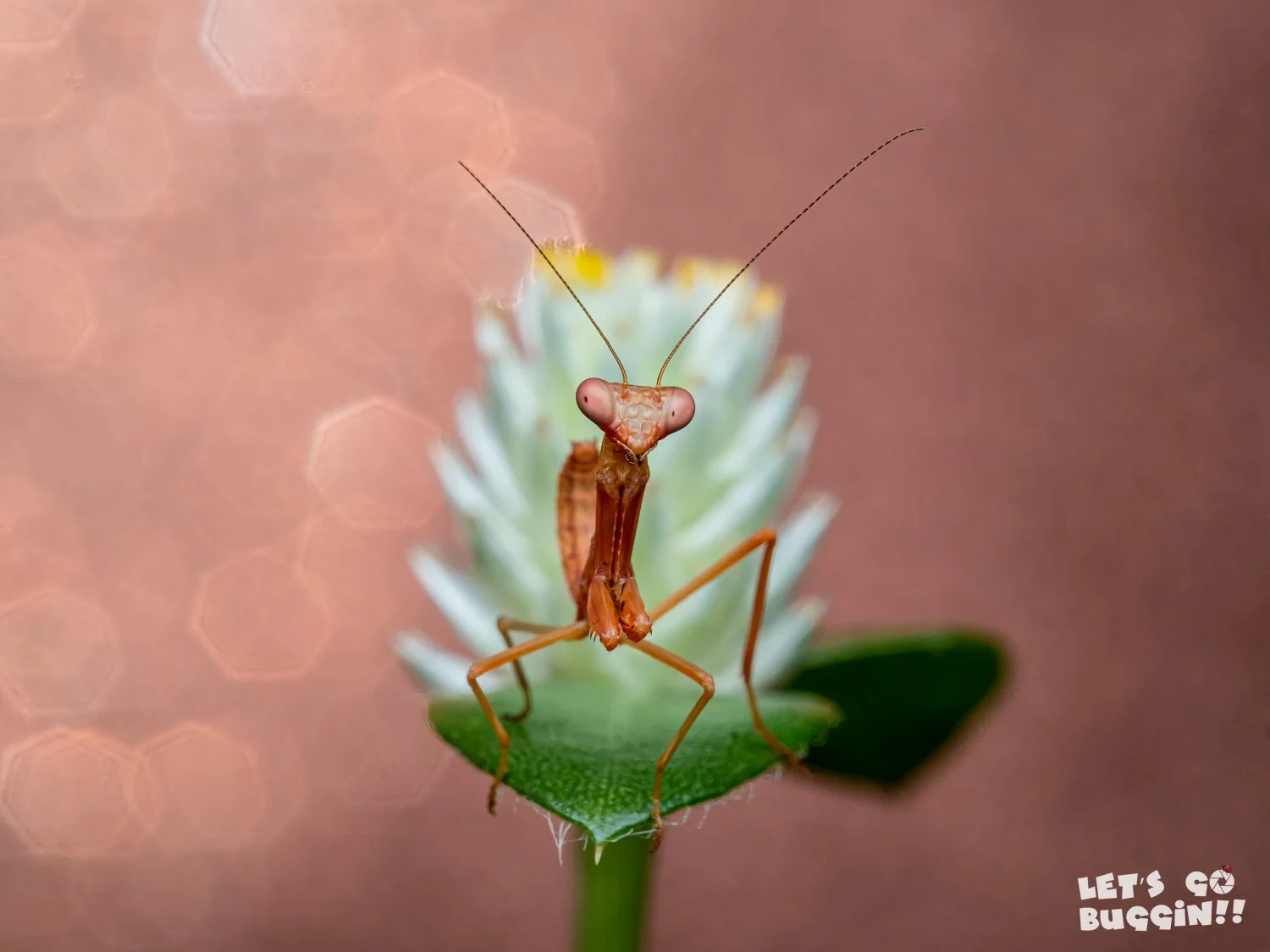
I created a series called ‘Disco Bugs’ which were inspired by my former life as a DJ and creating bokeh in the background of the scene as a consistent theme. It took, and still does take varied settings to get the perfect shot and combines sunshine, diffused flash and backgrounds to create the shots. Each new subject has its own combination of settings depending on the sun intensity on the day, but also the size of the subject. Having a thorough understanding of the exposure triangle was imperative for this series.
5. You regularly host photo walks, tours, and help to guide and teach people, what’s one piece of helpful advice for people getting started in macro?
One of the biggest differences with macro photography compared to other styles of photography is understanding minimum focus distance and how to use the focus limiter effectively. Getting comfortable with these basics first makes a huge difference. A simple way to practice is by using a small object at home, something like a Lego figure, small statue, or a children’s toy, and experimenting at a desk or table. This allows you to learn exactly how close you can get to your subject and how the focus limiter affects your ability to lock focus
6. How does the experience of travelling align with the detail-focused world of macro? Do you also enjoy capturing general travel imagery?
Whenever I travel, I also like to capture a selection of cultural images, whether that’s portraits, street scenes, or landscapes, to help tell a broader story about the destination. One of the things I love about macro photography is that fascinating subjects are often right outside your door. I specifically choose accommodations with lush gardens and natural surroundings, as they usually provide an incredible variety of macro subjects to photograph without even needing to leave the grounds
7. Can you share one of your most memorable photography moments while travelling? What made it so special?
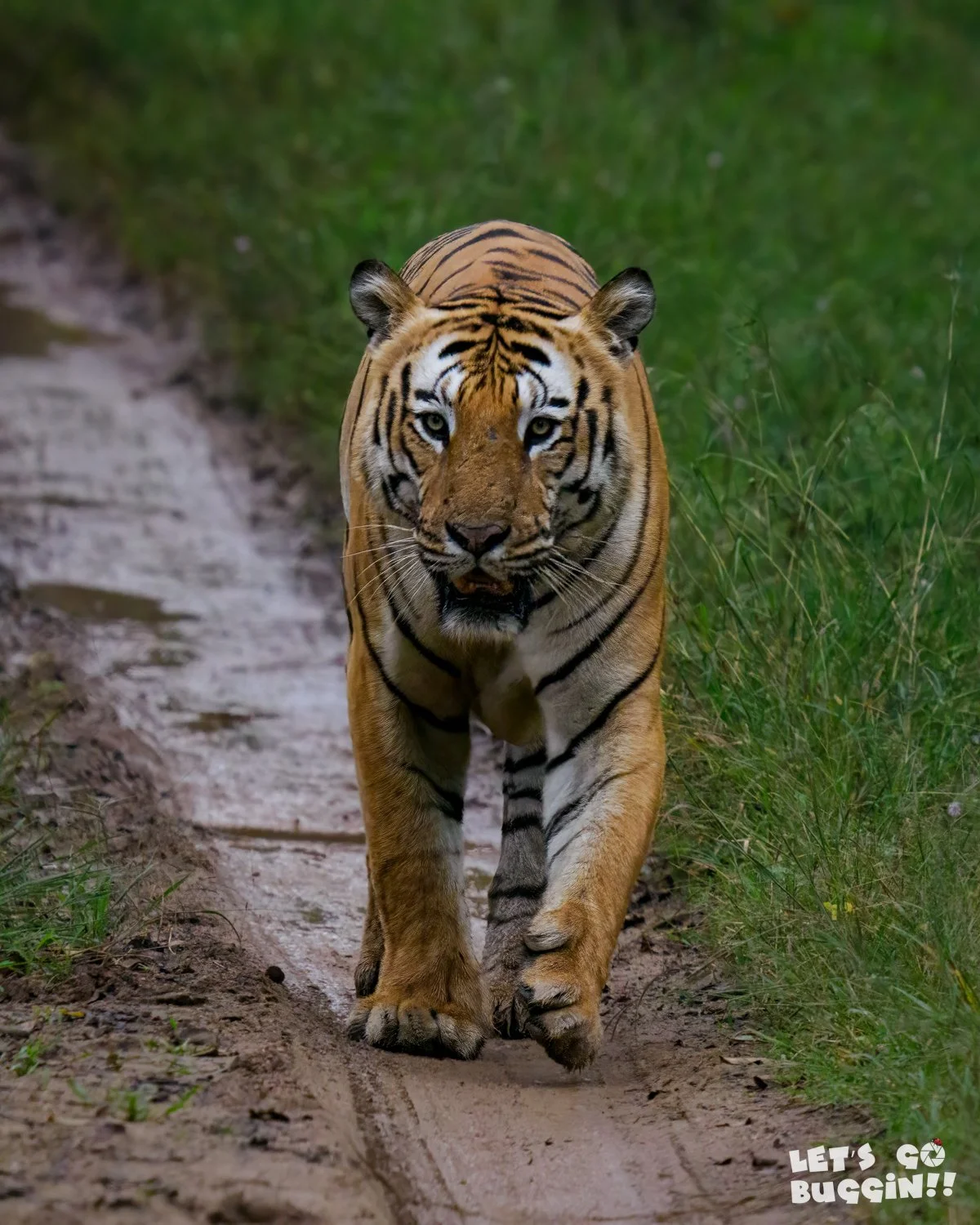
Seeing a wild tiger in India and spending 13 unforgettable minutes in its presence was an experience I’ll never forget. Absolutely majestic, the tiger truly earns its reputation as the king of the jungle. Just as we thought we were about to lose sight of him at the edge of the forest, the male tiger known as ‘Karadi’ turned and began walking back towards us, creating some truly extraordinary photographic opportunities.
While I’ve checked out many reserves and local parks around Cairns, I keep coming back to the Cairns Botanic gardens as it has the highest numbers of insects and bio-diversity compared to other locations.
8. Which destination surprised you the most or left the greatest impact on your photography? Why?
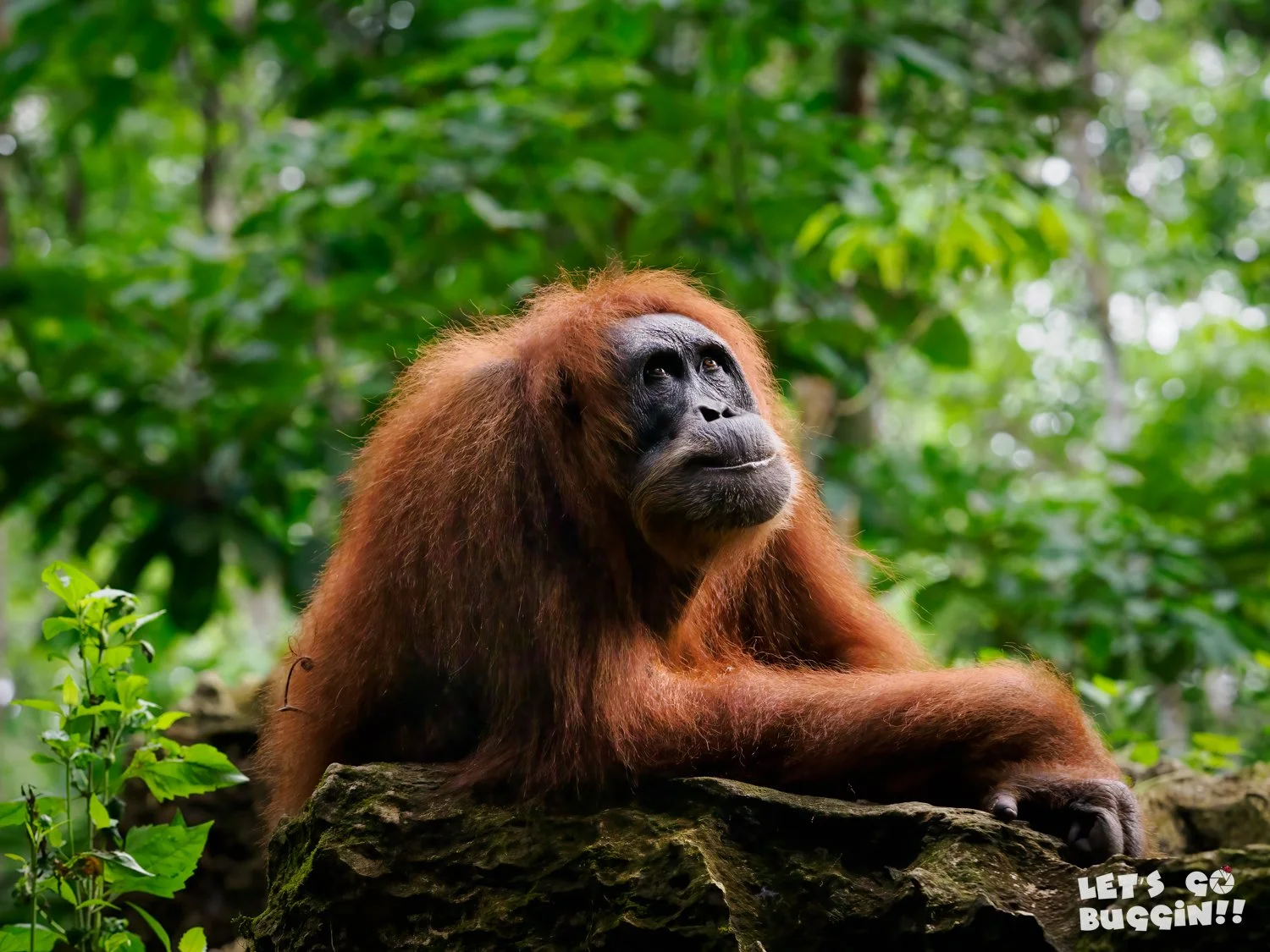
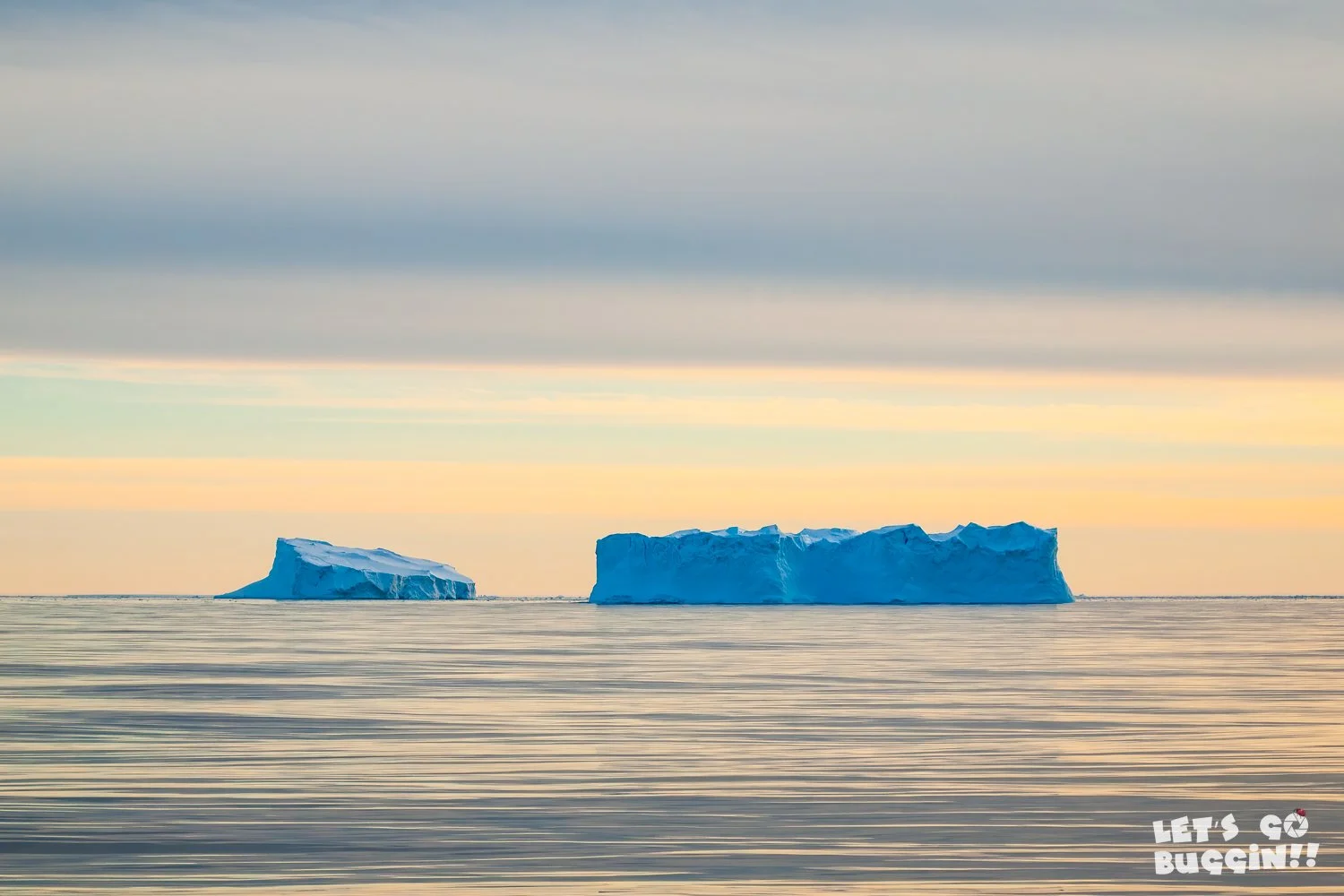
Cairns really is the ultimate when it comes to macro photography and wildlife photography in general. There are endless opportunities for encounters. When it comes to international destinations, it’s hard to go past Antarctica, the combination of stunning light and breathtaking scenery is unlike anywhere else on Earth. Closer to home, Sumatra consistently delivers incredible wildlife encounters, with surprises around every corner and endless photographic opportunities. India is equally remarkable, offering dramatic landscapes, vibrant culture, and an amazing diversity of colourful wildlife to photograph.
9. What are some challenges you’ve encountered as a nature photographer, and how do you overcome them?
When I step away from my main passion of macro photography and venture into bird photography, I still find the settings can be a challenge at times. Photographing wildlife in the dark conditions of the rainforest also presents difficulties with low light. Fortunately, modern post-processing technology has become incredibly powerful, particularly when it comes to reducing noise from high ISO images. The image stabilisation in the OM System cameras is also outstanding, providing a lot more flexibility and forgiveness when shooting at slower shutter speeds.
10. How do you plan to continue growing or evolving as a photographer? Are there any new techniques or directions you’re keen to pursue?
I’m always eager to explore new locations and discover new wildlife species. For me, nature always comes first, and the photographs come second. If there’s ever a situation where an animal could be negatively affected by me taking a photo, then I simply don’t take it. The rise of AI-generated imagery is creating a lot of discussion, confusion, and frustration within the photography industry at the moment, and I believe many people will eventually begin seeking out authentic, real-world photography and video again. Right now, my main focus is on running tours that introduce people to the world of macro photography and provide unforgettable wildlife encounters.
11. Do you have any exciting trips or photography projects planned? What are you looking forward to capturing next?
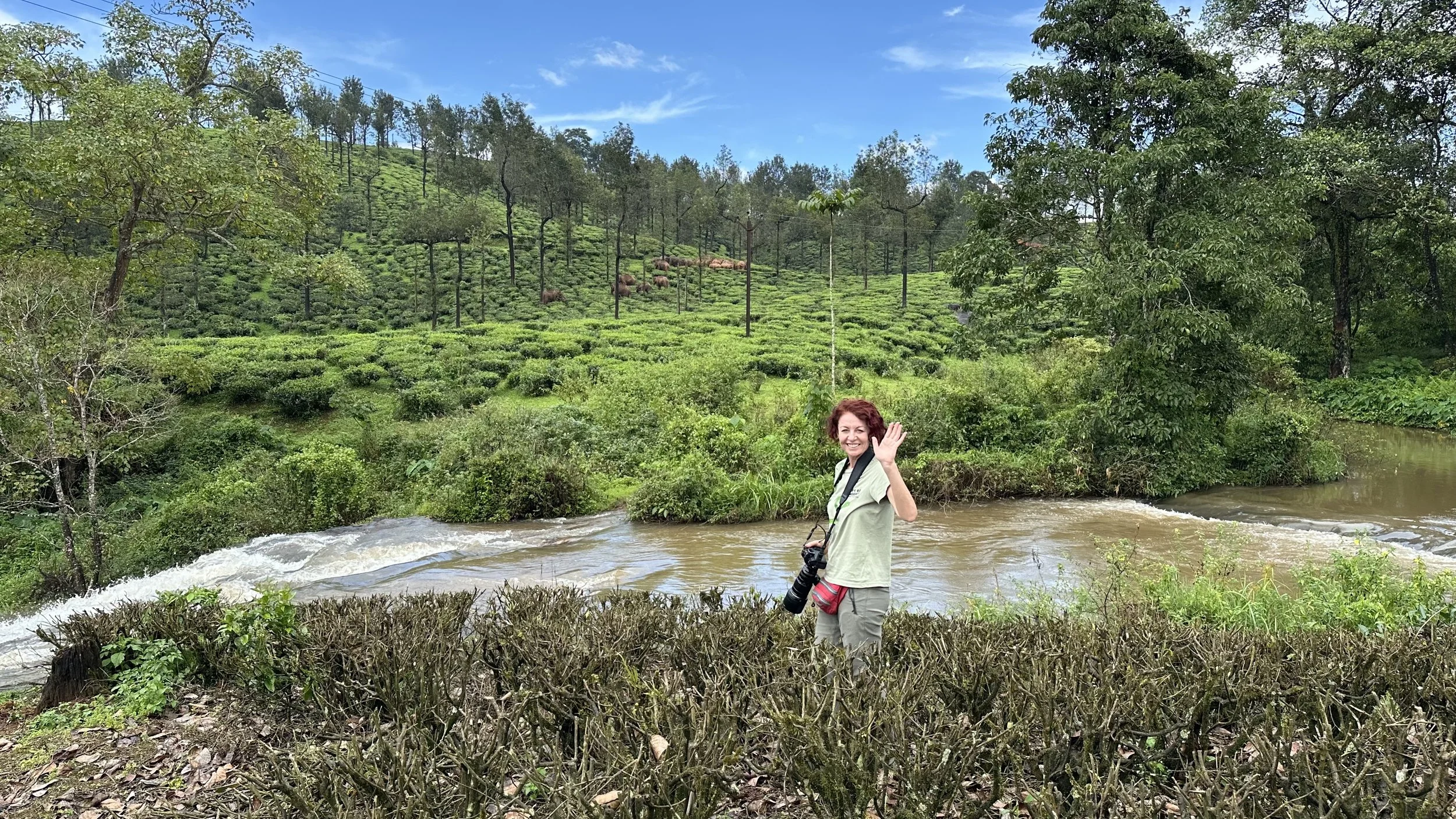
My India Tour in October 2026 is fast approaching, and I’m excited that we’ll be extending the itinerary to include a new tiger reserve with excellent opportunities to see wild tigers. India is an incredibly magical destination and, in my opinion, somewhere every nature photographer should experience at least once. My Sumatra tours now run twice a year, as the changing seasons reveal different wildlife, behaviours, and photographic opportunities, which keeps every trip fresh, surprising, and exciting.