Interview: Cindy Cavanagh, Creative Australian Photographer
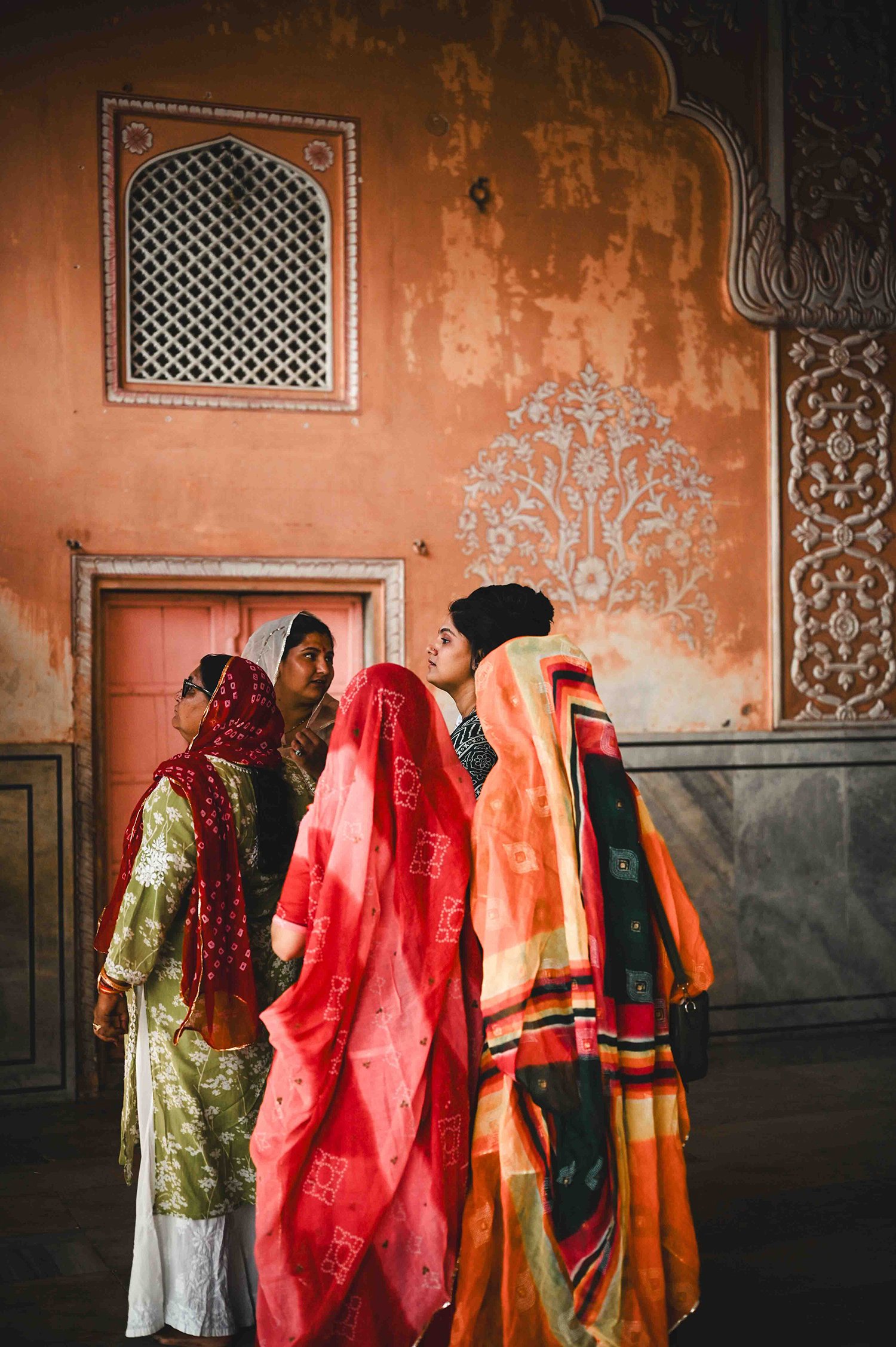
Photographer: Cindy Cavanagh
Based: Brisbane, Australia
Instagram: @cindy_cavanagh
Quick-Fire Questions
Favorite lens? 24mm
Coffee or tea while editing? Coffee, always.
Sunrise or sunset? Sunrise
Favourite destination you’ve photographed so far? Japan
One thing always packed in your camera bag? Something playful, like a crystal or lens filter.
Website: www.cindycavanagh.photography
The Interview
1. How did photography first become something you were drawn to creatively?
I found photography while living in Brazil. We had moved to São José dos Campos, in Sao Paolo, with my family of 5 children, for my husband's work. I started with a point-and-shoot camera, documenting our adventures. I quickly became frustrated with the difference between what I was seeing and what was showing up on my camera. For my 40th birthday, I asked for a DSLR as my present. I have fallen in love with the creative process ever since.
That was 16 years ago, and I have tried different genres. Travel, portraiture, still life, and landscape. The time I have spent learning each genre has taught me lessons I carried into the next one. I don’t feel like one genre is mine, and I tend to flip between them as inspiration strikes.
I have used other elements, such as colour and softness, to thread the different genres together.
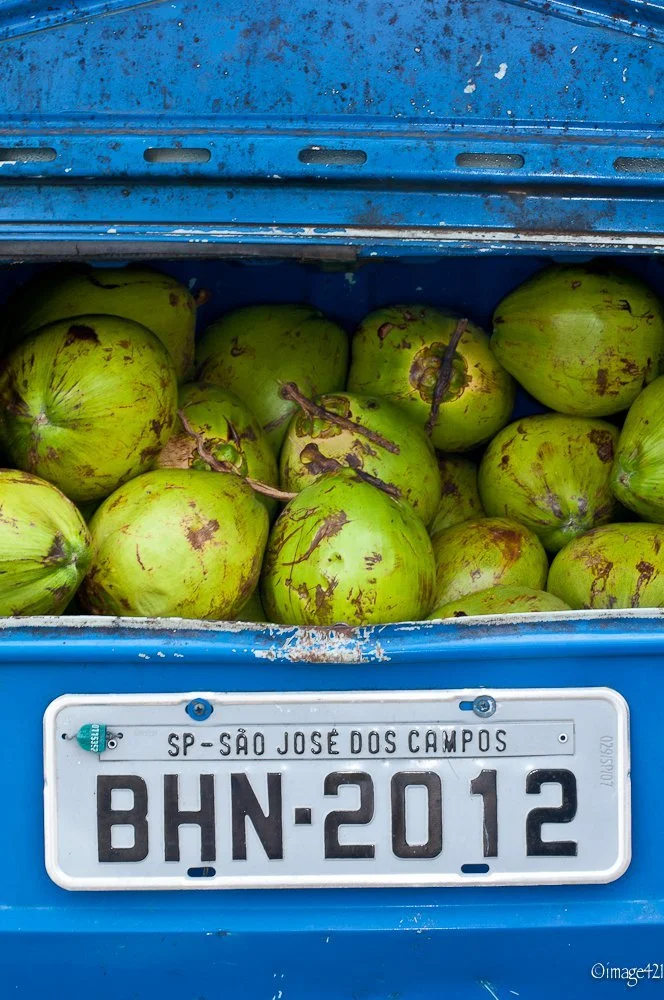
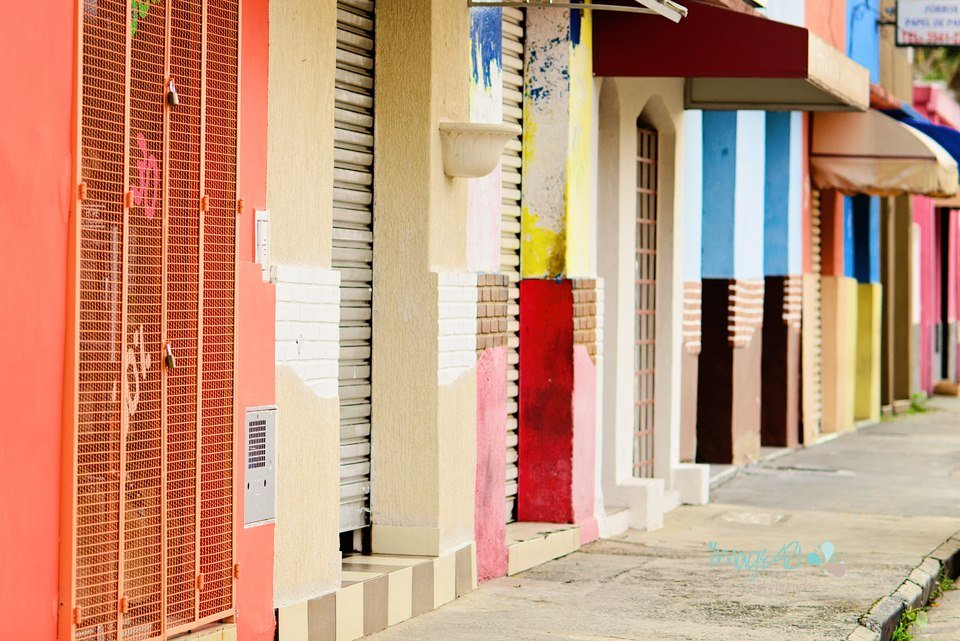
2. Your work has such a beautiful sense of colour, softness, and atmosphere. How would you describe the way you see and photograph the world?
I think my style evolved as a way to find calm in the chaos. Raising 5 children is often chaotic, and photography became something for me. It wasn’t about being a mother or any of my roles and responsibilities. It was something to ground myself, and to feel seen. I was looking for something soft and tender because that is what I needed.
As a self-taught photographer, I spent a long time learning the technical aspects of photography. As time progressed, I found I was drawn to softer images and colour. And so, I let myself be guided by these elements, and then spent more time unlearning what I just learned.
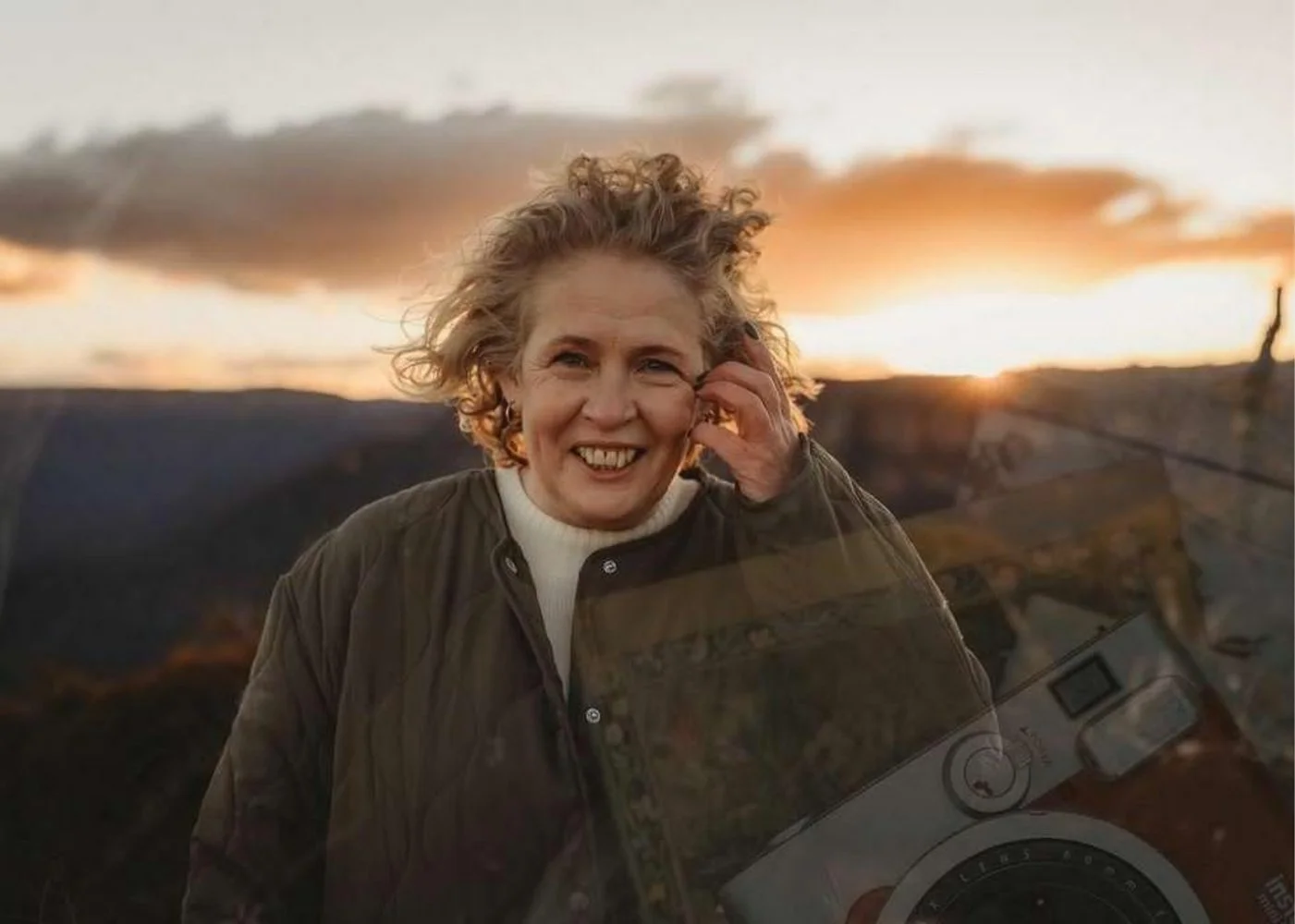
“I won't lie, the process has been filled with doubts and often comparisons. And a lot of practice. However, I have kept coming back to these elements. There is something about painting with colour in a gentle image that draws me in.”
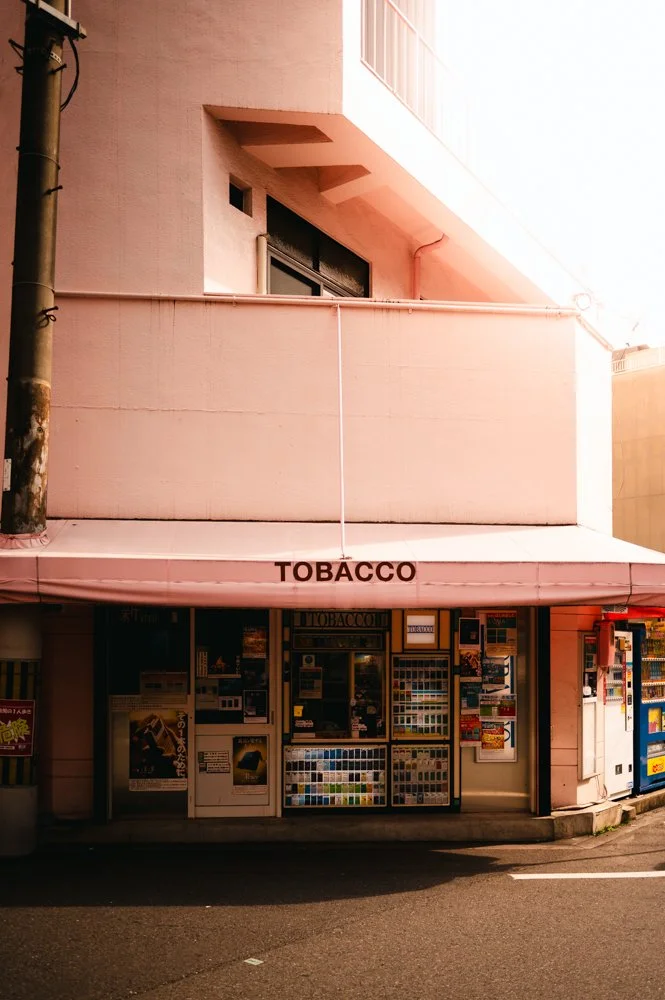
3. You recently travelled through Japan, a place filled with detail, rhythm, and contrast. What inspired you most while photographing there?
Oh, the quiet. I was amazed by the quietness. I felt like I had found a home. We have travelled to many places and lived overseas twice. Yet, Japan felt like a place that fit me perfectly. As an introvert, I often feel out of place in an extroverted world. I have taught myself to overcome those feelings of being an introvert for my photography, but in Japan, I felt like being quiet allowed me to be myself. And it showed in the photographs because I was drawn to the quiet details rather than the Mario Karts and bright lights.
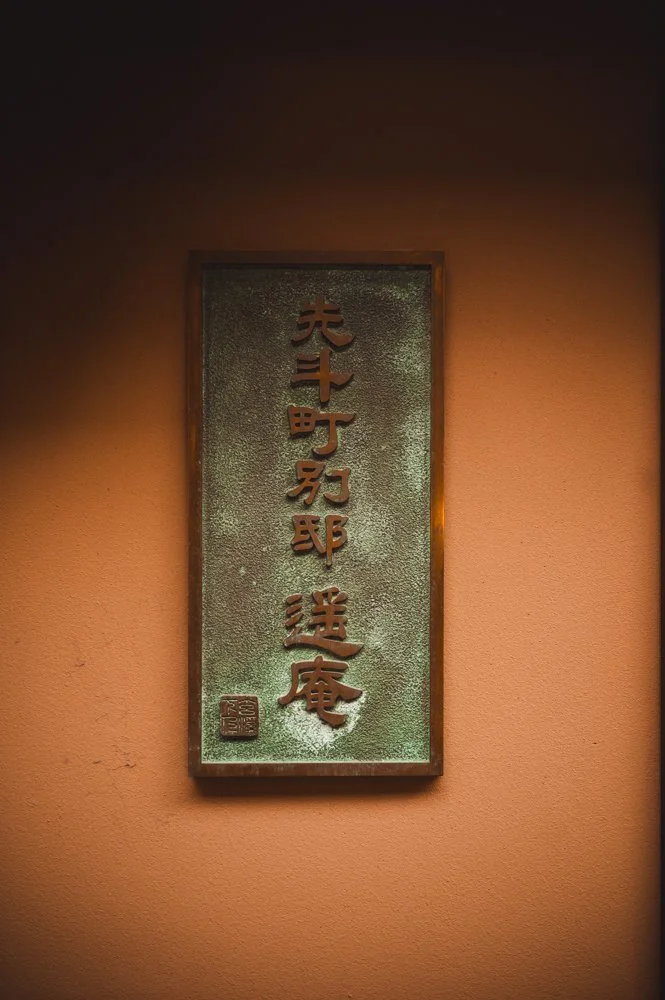
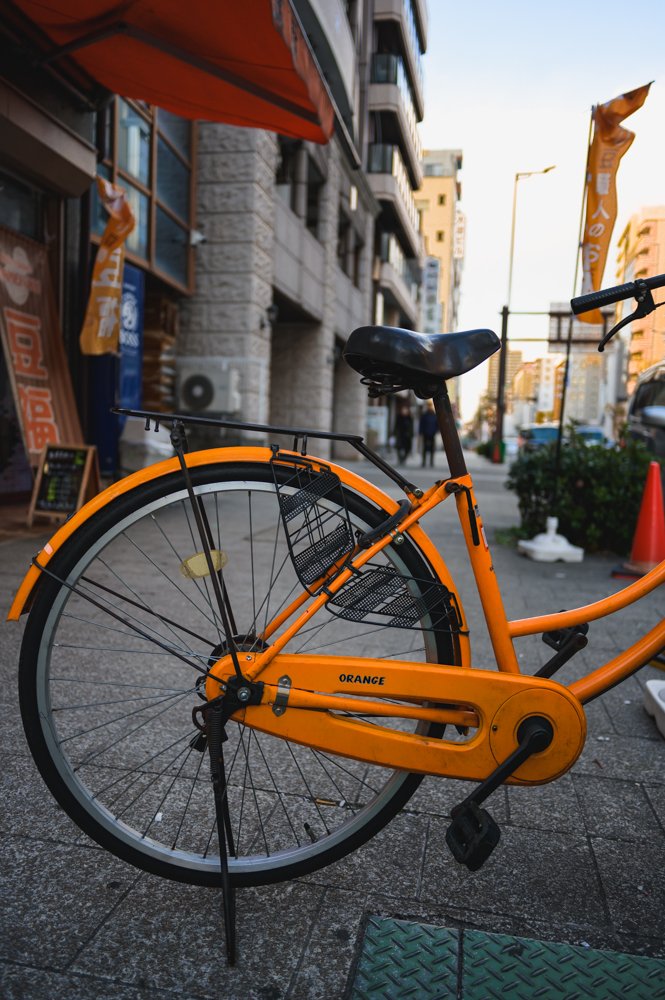
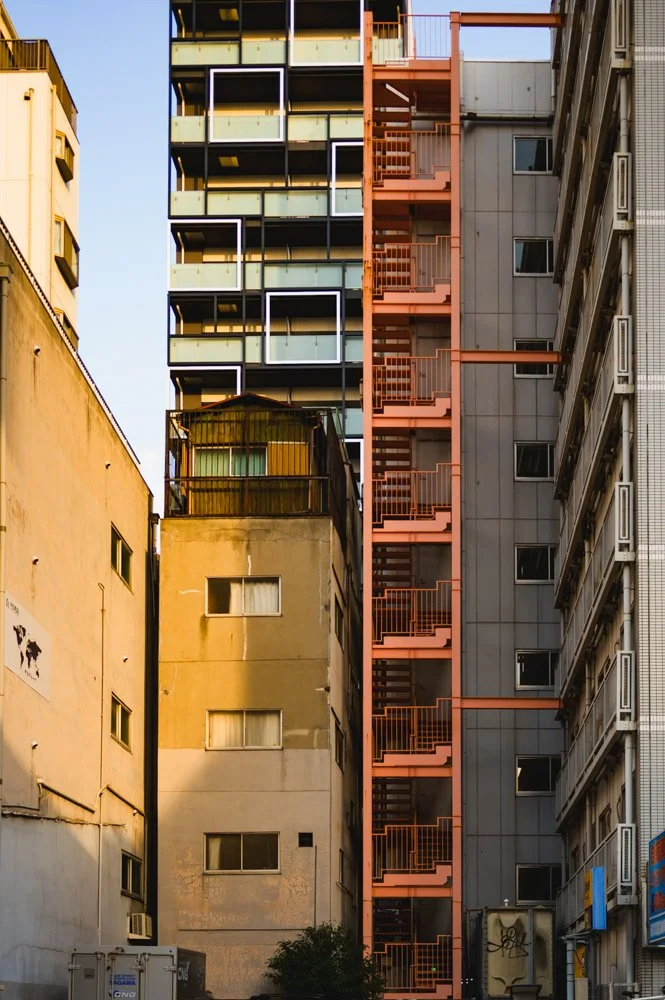
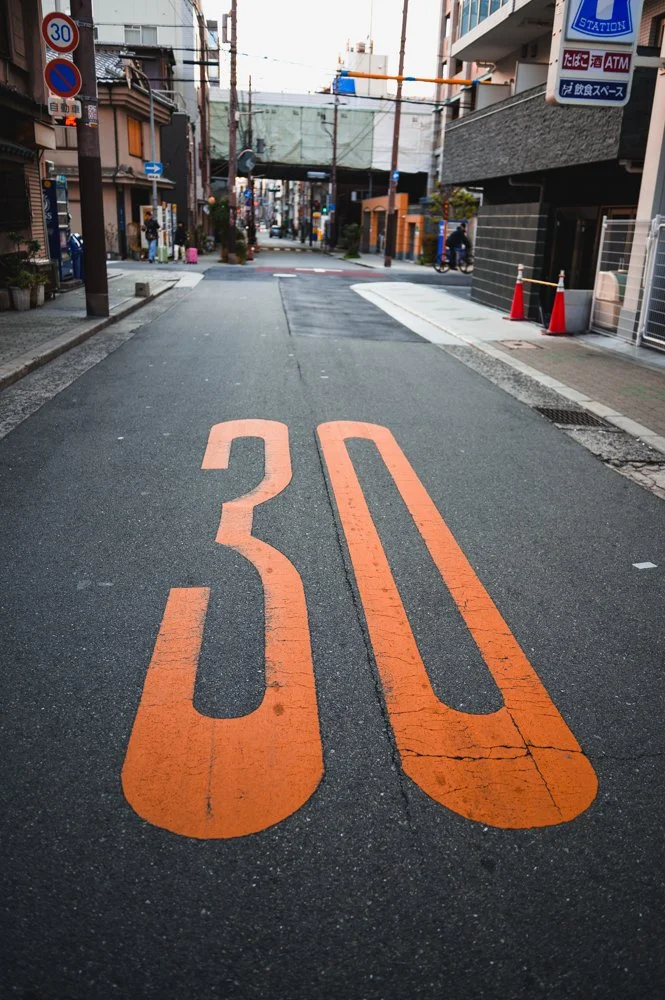
4. Were there particular moments, colours, or scenes in Japan that stayed with you long after returning home?
In Kyoto, I went for a walk down Pontocho Alley by myself. My husband and daughter were taking a break from sightseeing, and I decided to wander. I went before the dinner rush, and although there were others wandering around, I felt like I had the place to myself. It felt like a magical moment. I didn’t rush. I took my time and enjoyed the calm. I found details that I know I wouldn't have seen if we were walking around as a family.
I usually take a moment when we are travelling to go somewhere by myself. It fuels my sense of adventure to capture these moments because I can take my time, and navigating the JR network to get back to the hotel felt like a big win, too.
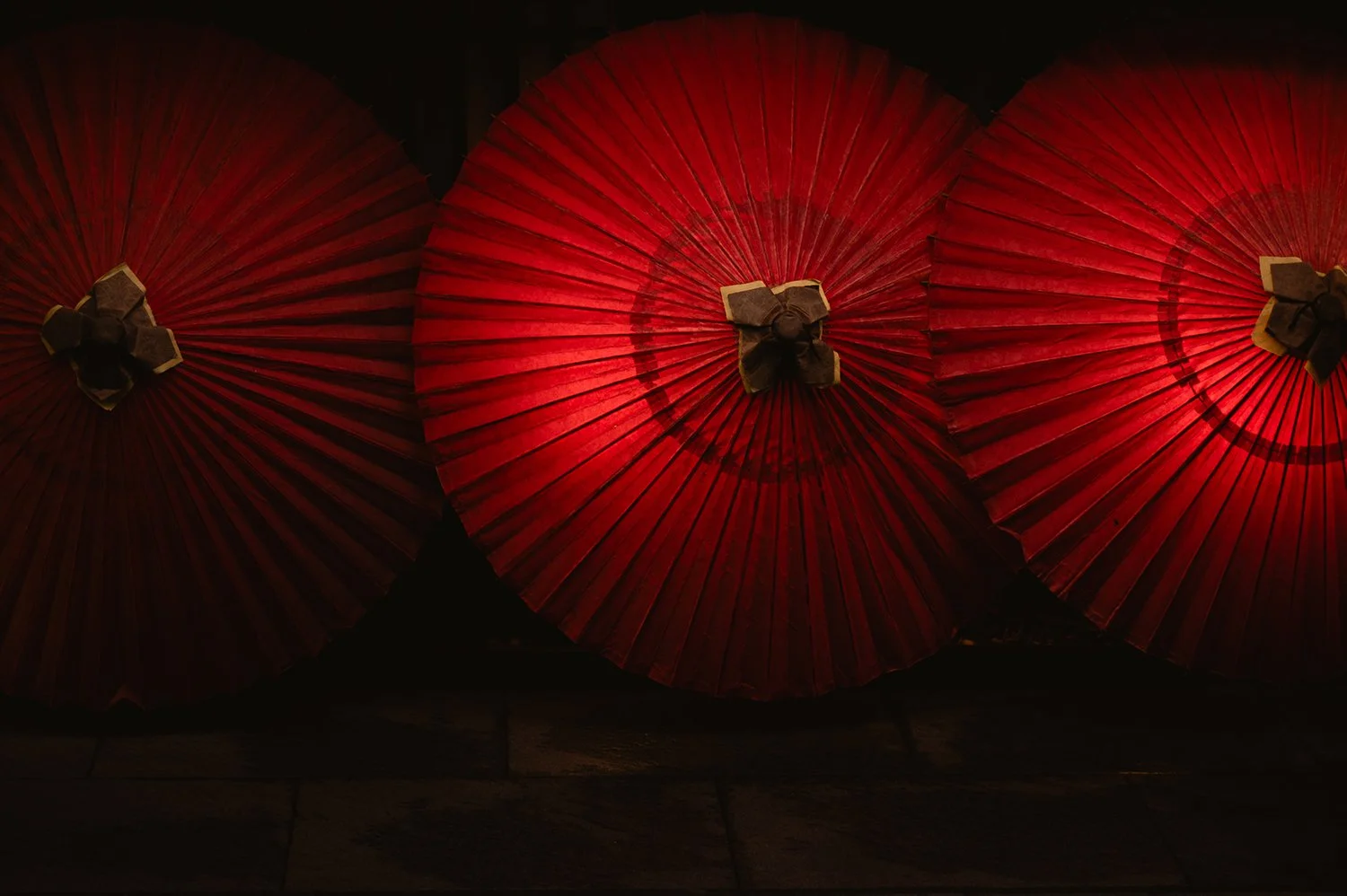
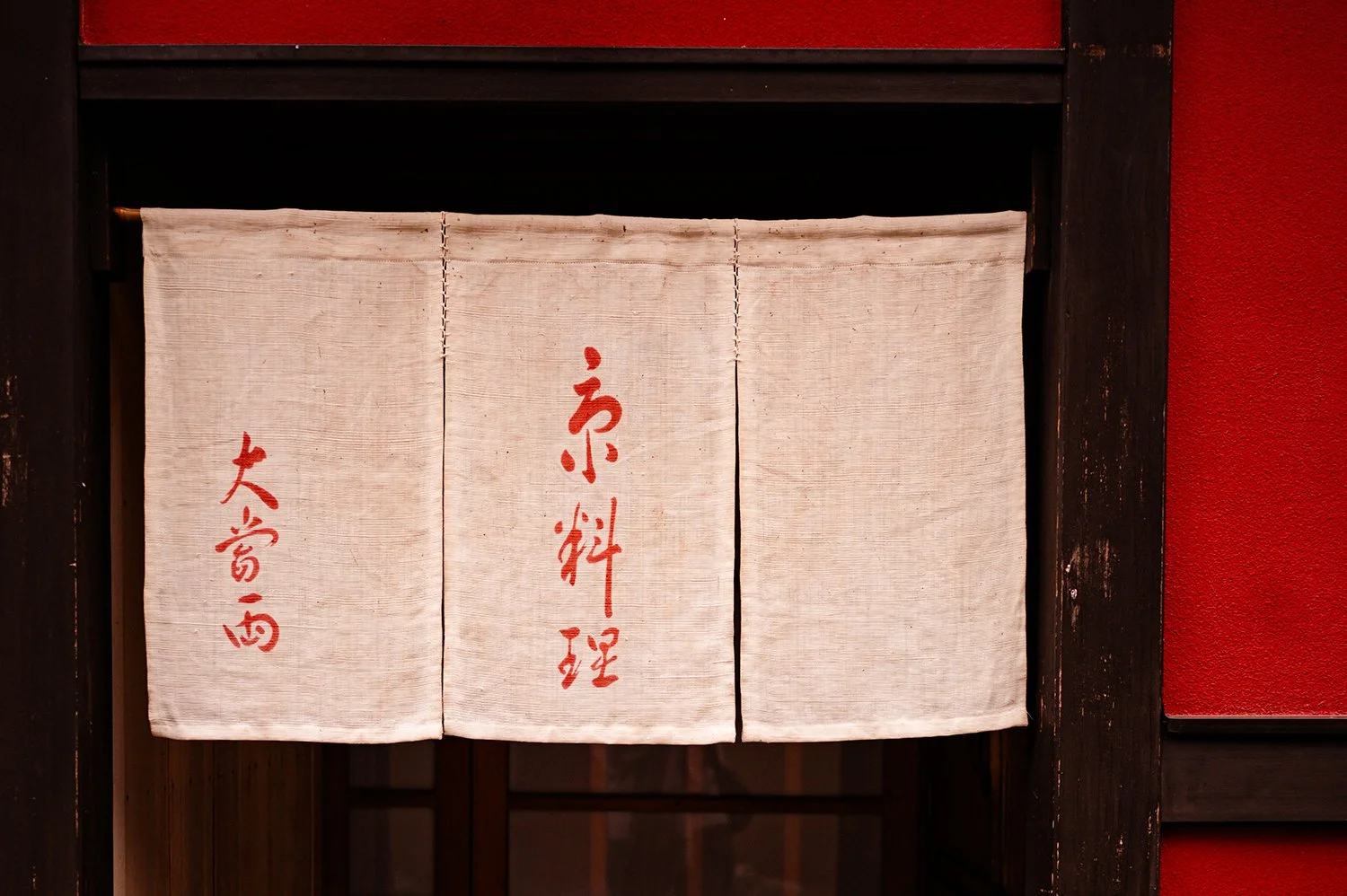
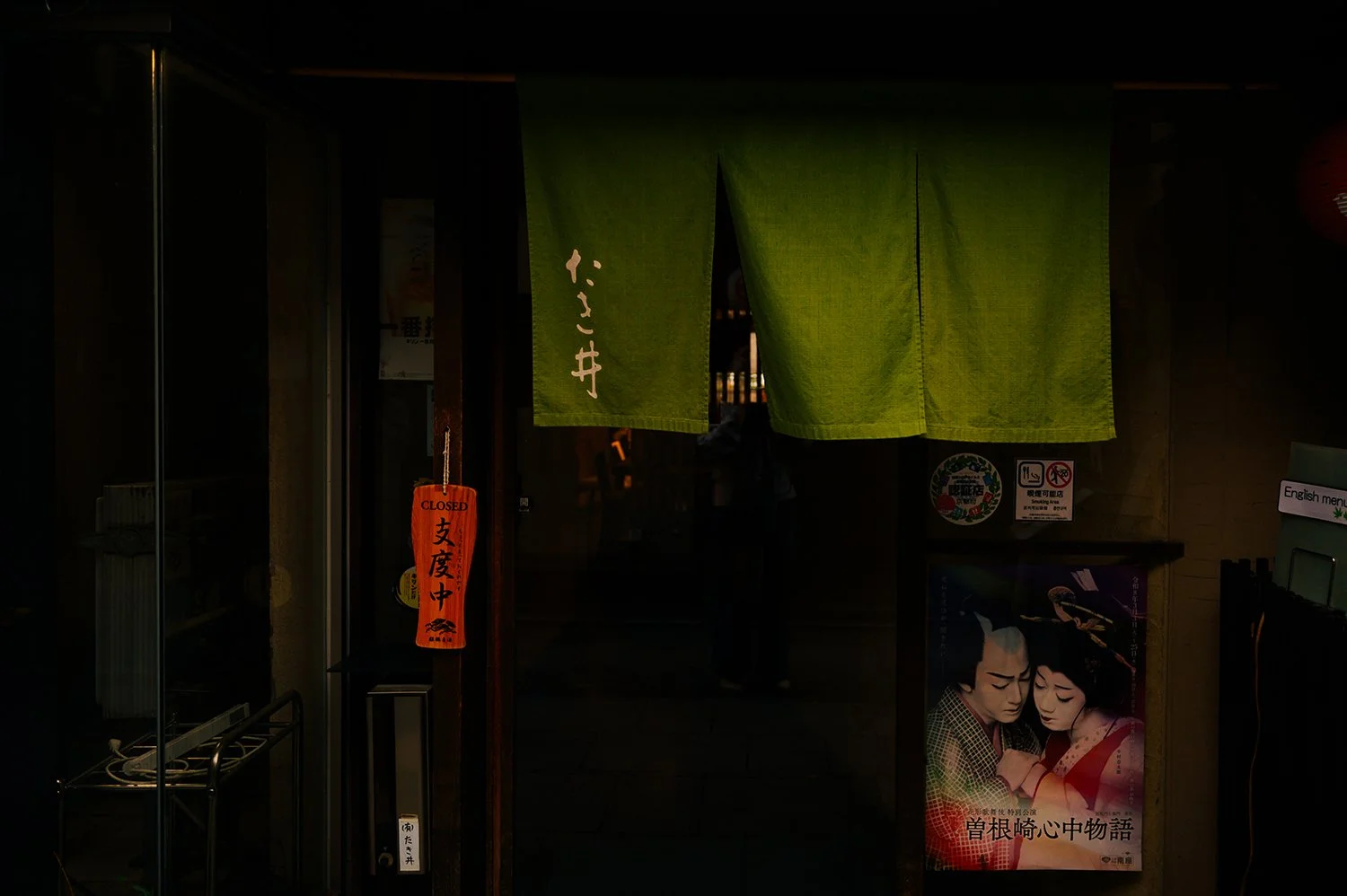
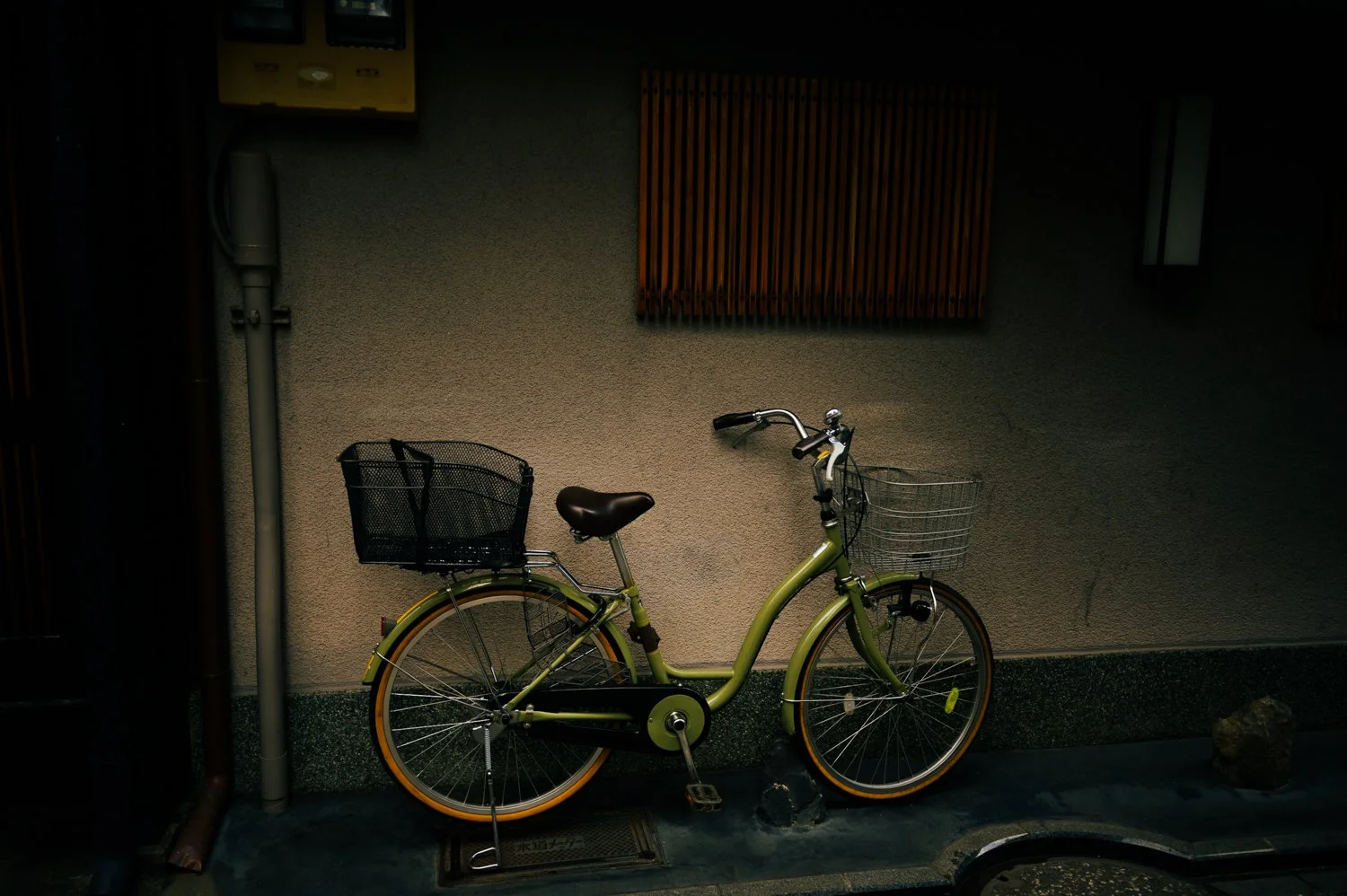
5. Your imagery often focuses on quieter details and fleeting moments. What tends to catch your attention when exploring somewhere new?
I am an observant person; I always have been. I pay attention to my world around me, and I am often tapping my husband on his shoulder to say, “Look at that”. Even when I don’t have a camera in my hand, I notice the beauty like the flowers in season, the colour of a door, a rusty old gate. I used to have a treasure map of beauty on our boring school run and would pay attention to these ordinary things.
I think this is the same when I travel. I notice the ordinary as much as the iconic. I will shoot the iconic landmarks, but I am drawn to what makes up a place's daily life. And I will often shoot the bigger details first, but still find a way to capture the smaller ones.
I think I like to capture the feel of the place as much as the landmarks, and then when it comes to sharing my art, I am always drawn to sharing the fleeting moments.
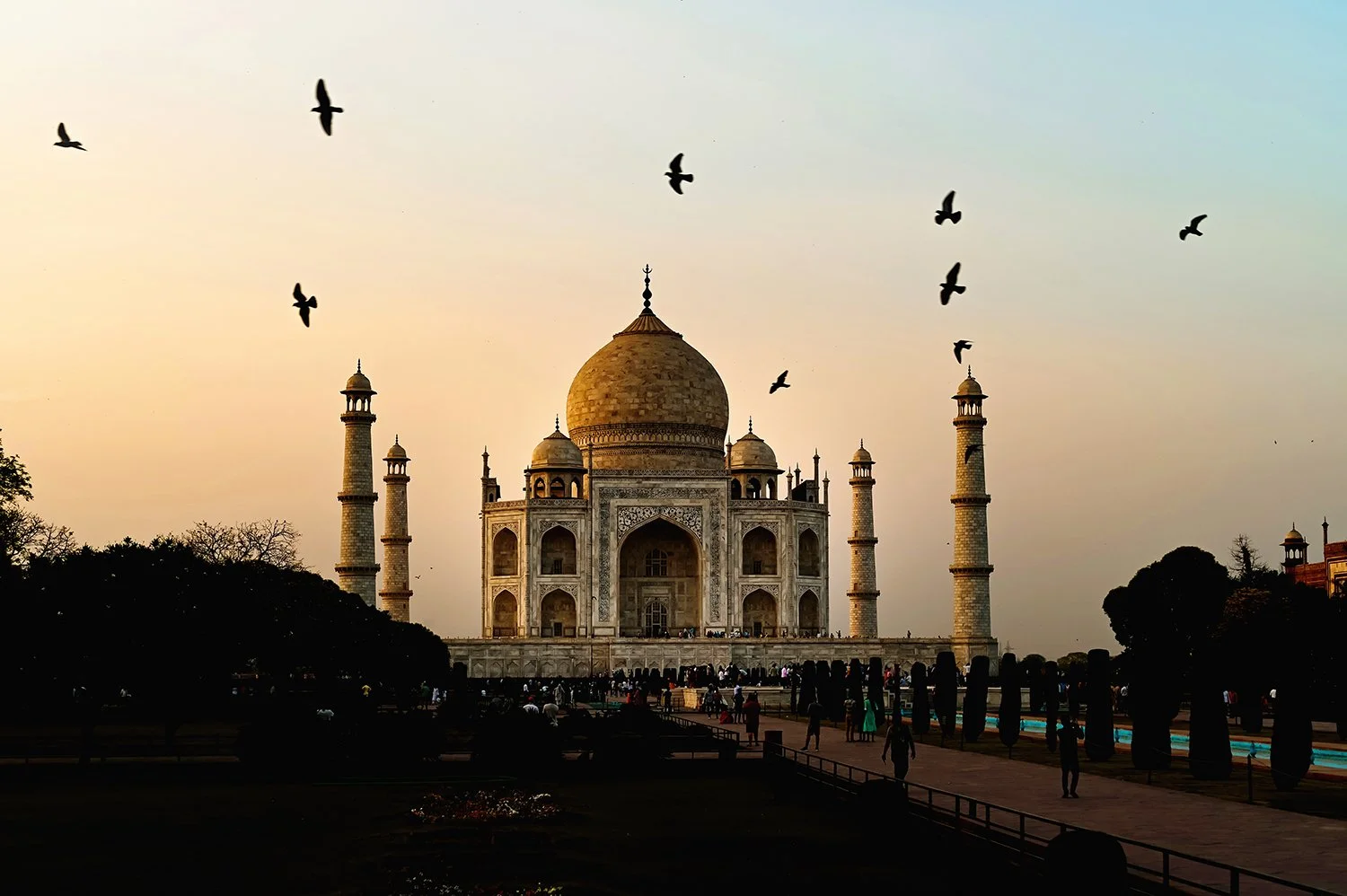
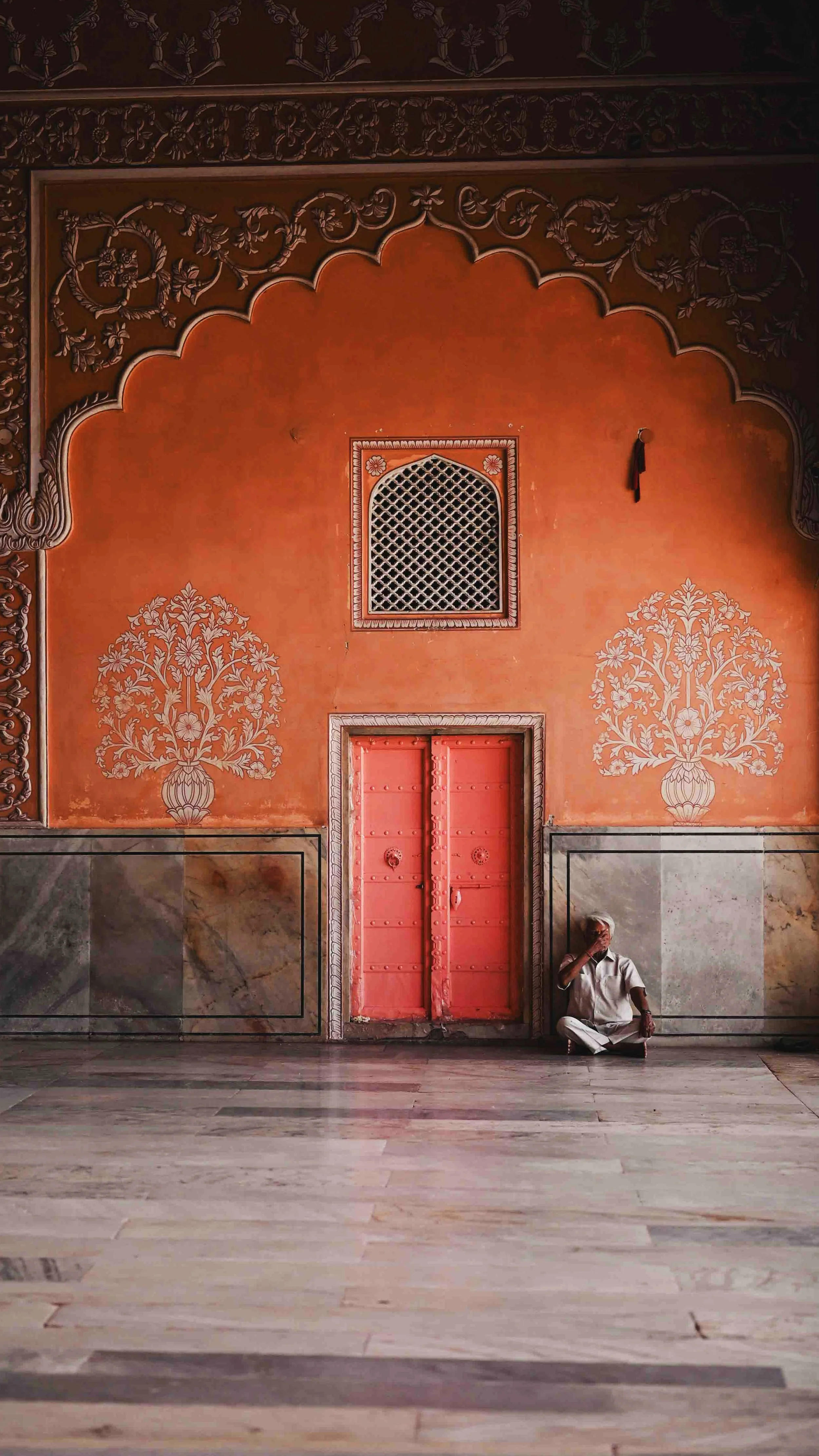
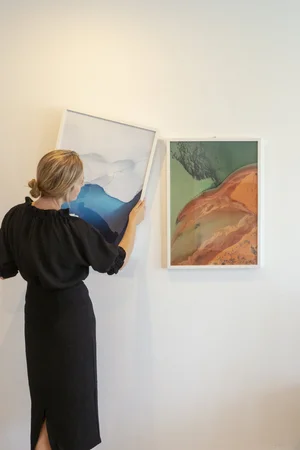
6. Your print collection feels like an extension of your creative world rather than simply photographs on a wall. What inspired you to begin offering prints of your work?
Almost two years ago, I held an exhibition of my work. It was called Playdates and reflected my work to date. I was inspired to find a wall after speaking with a mentor. I felt like my work was feeling small, and social media has a way of squashing down our art. She suggested I take my work off social media and make it big. So I did!
The print collection came after the exhibition. I saw it as another way to make my art big. I have dropped the ball on this with our move from Sydney to Brisbane because the move took up so much time and energy. However, I am making plans to relaunch it. It is a work in progress, one that needs more love and attention. My big dream is to have a studio or room filled with art and prints, lots of walls and big art.
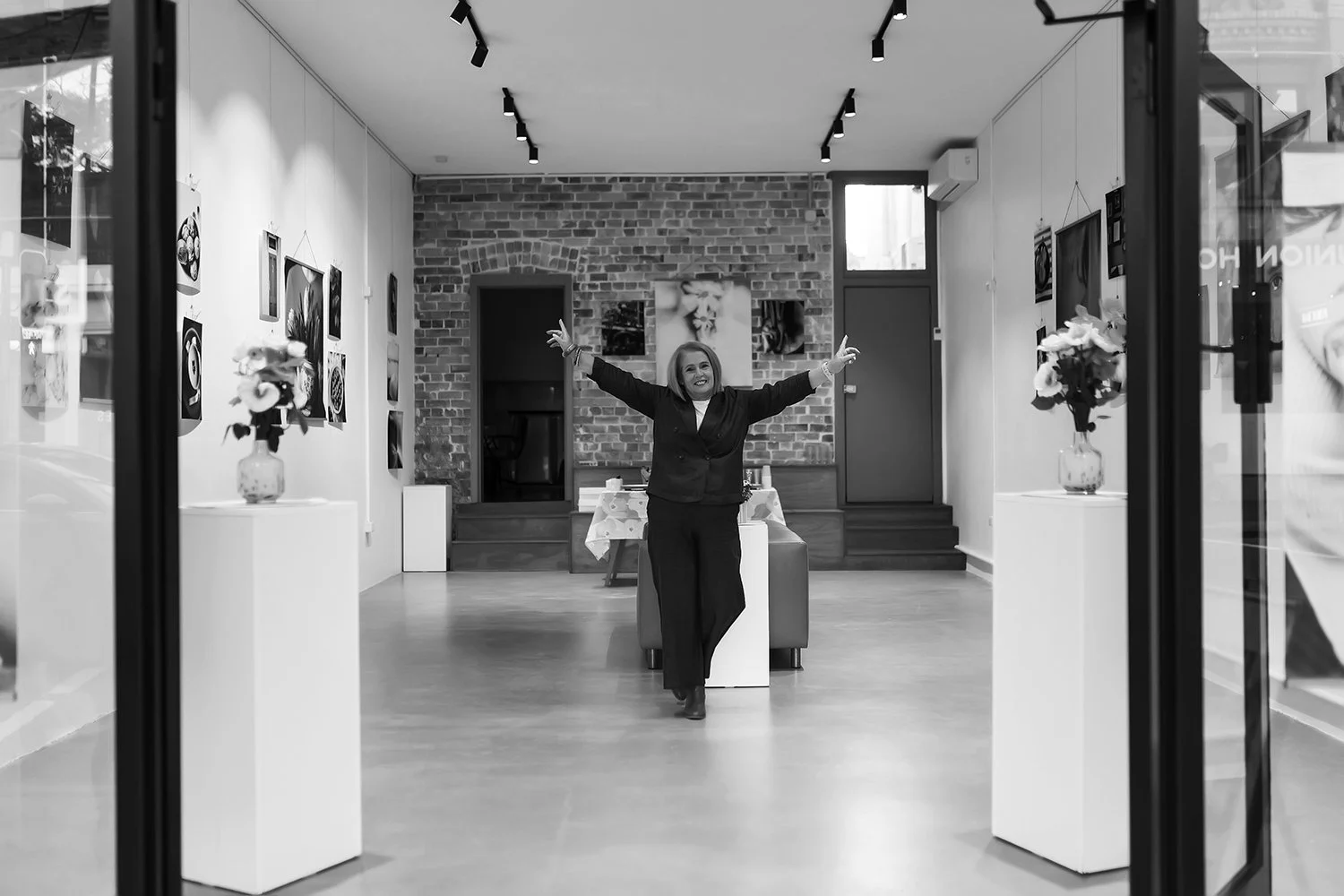
7. Colour and mood play such a strong role in your imagery. How do you use editing to shape the feeling of a photograph without overpowering it?
I think I see colour first. I know many photographers chase light, I tend to chase colour. It inspires me in other photographers' work, and it has become a big part of my own process. I often look for a particular colour as I go about my ordinary day, like on my daily walk. I will pick a colour and shoot it with my mobile or take my camera and a 28mm lens with me.
In terms of editing, I edit for the colour, and I want it to feel natural. I like it to pop, but I don’t want it to feel saturated. I usually play around with contrast, hues and luminance, and the global tones like warmth. It is something I have been adjusting to and learning for many years. It is something I will keep learning for years to come.
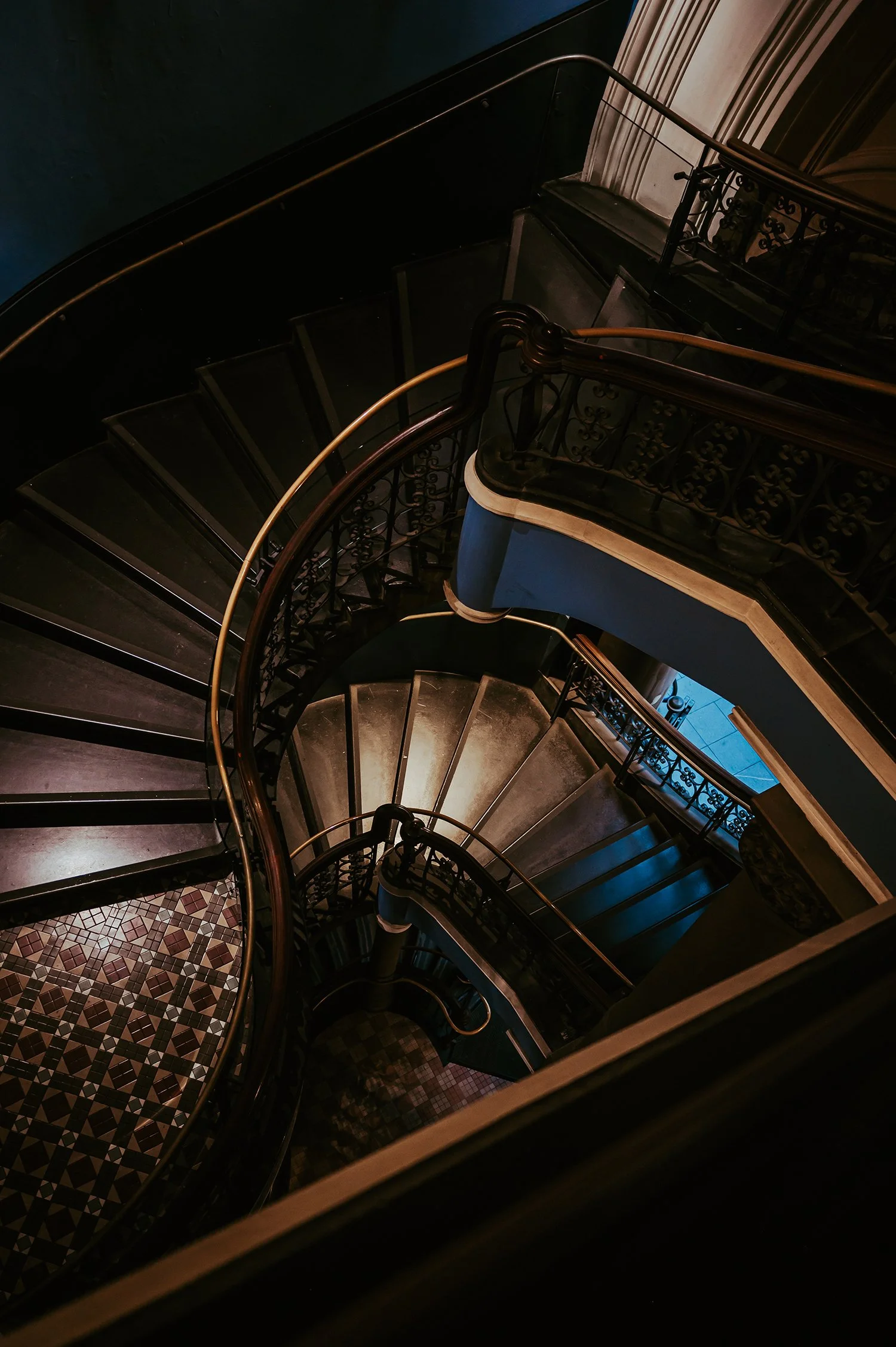
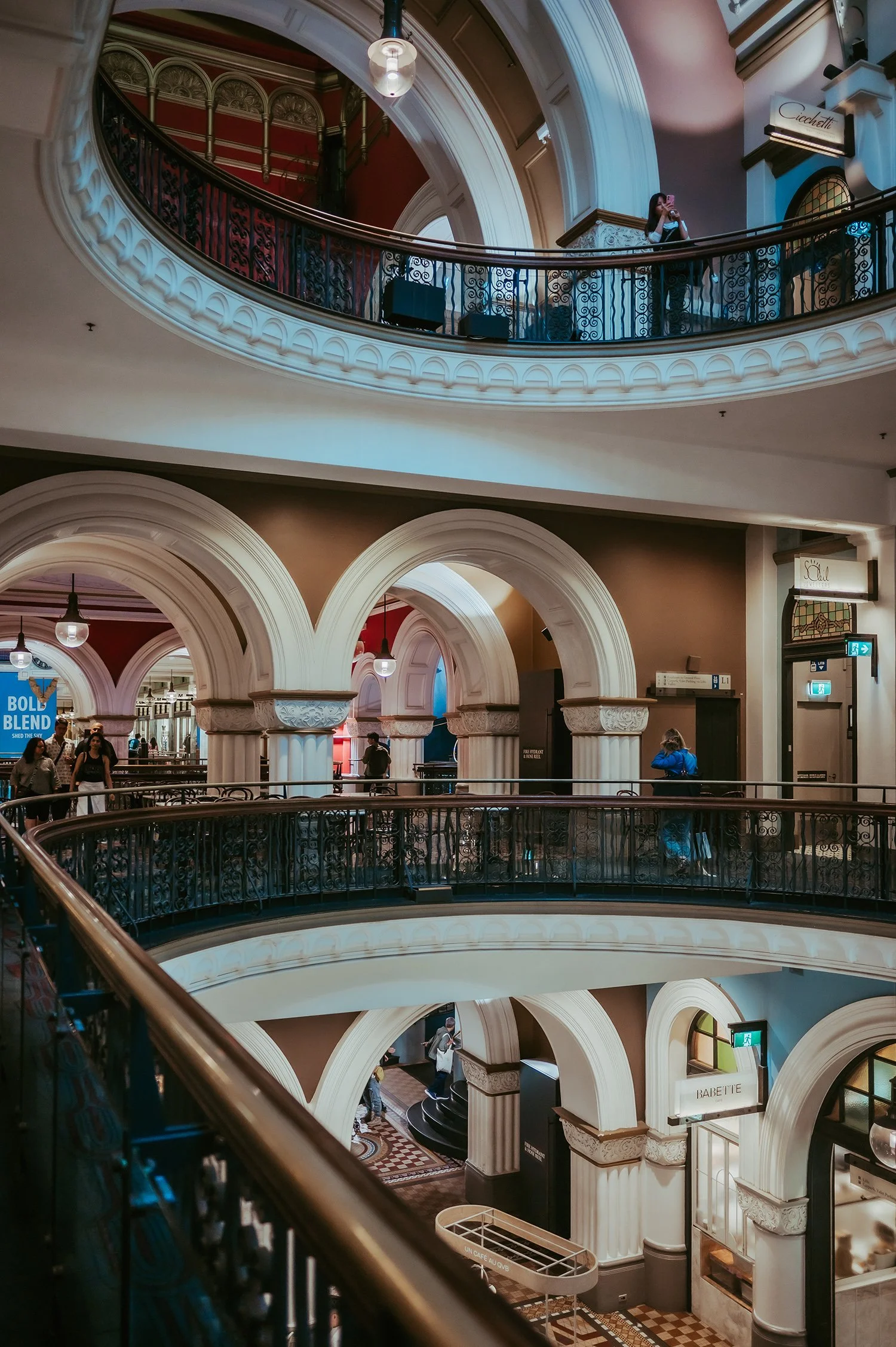
8. What conditions or environments do you feel most creatively inspired in?
I have an adventurous heart and enjoy exploring. My travel wishlist is long, and now that the school years have finished for our family, I hope to explore more. But when I am not travelling, I explore as well. I will take little day trips into the city or out to the mountains. I plan beach visits to watch the sunrise and to explore alleyways. My husband said to me recently, “ I love how you seek out beautiful things”, and I think that is what inspires me the most: beauty.
Even in COVID, when we were in lockdowns or unable to travel more than 5 km, I found beauty at home. Like others, I baked a lot and used props like vegetables or flowers to tell a story.
I think the greatest gift I gave myself is shooting a lot. I don’t wait for the big adventures to shoot because we can only do those once or twice a year. So, I have many little explorations, even at home.
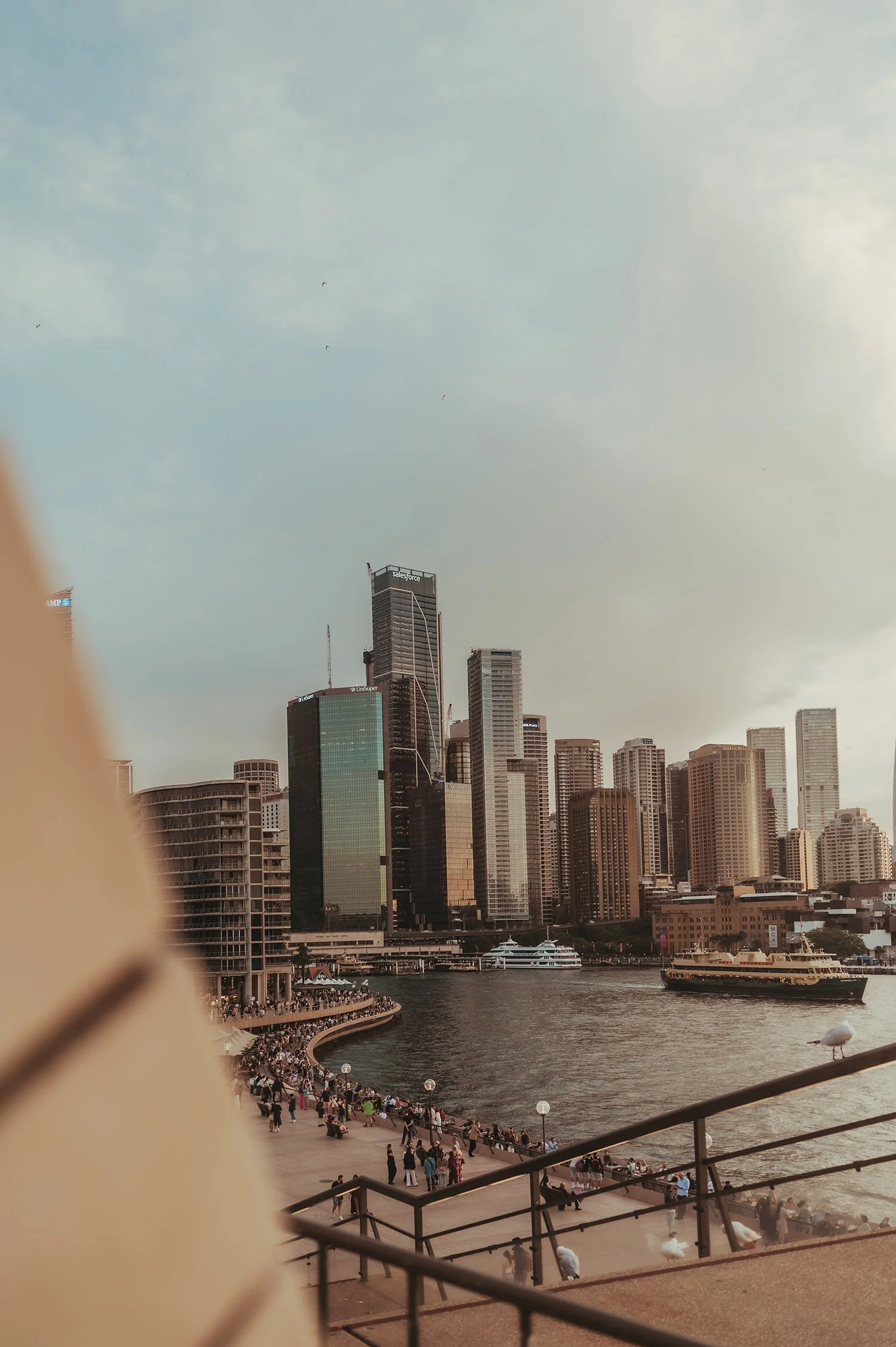
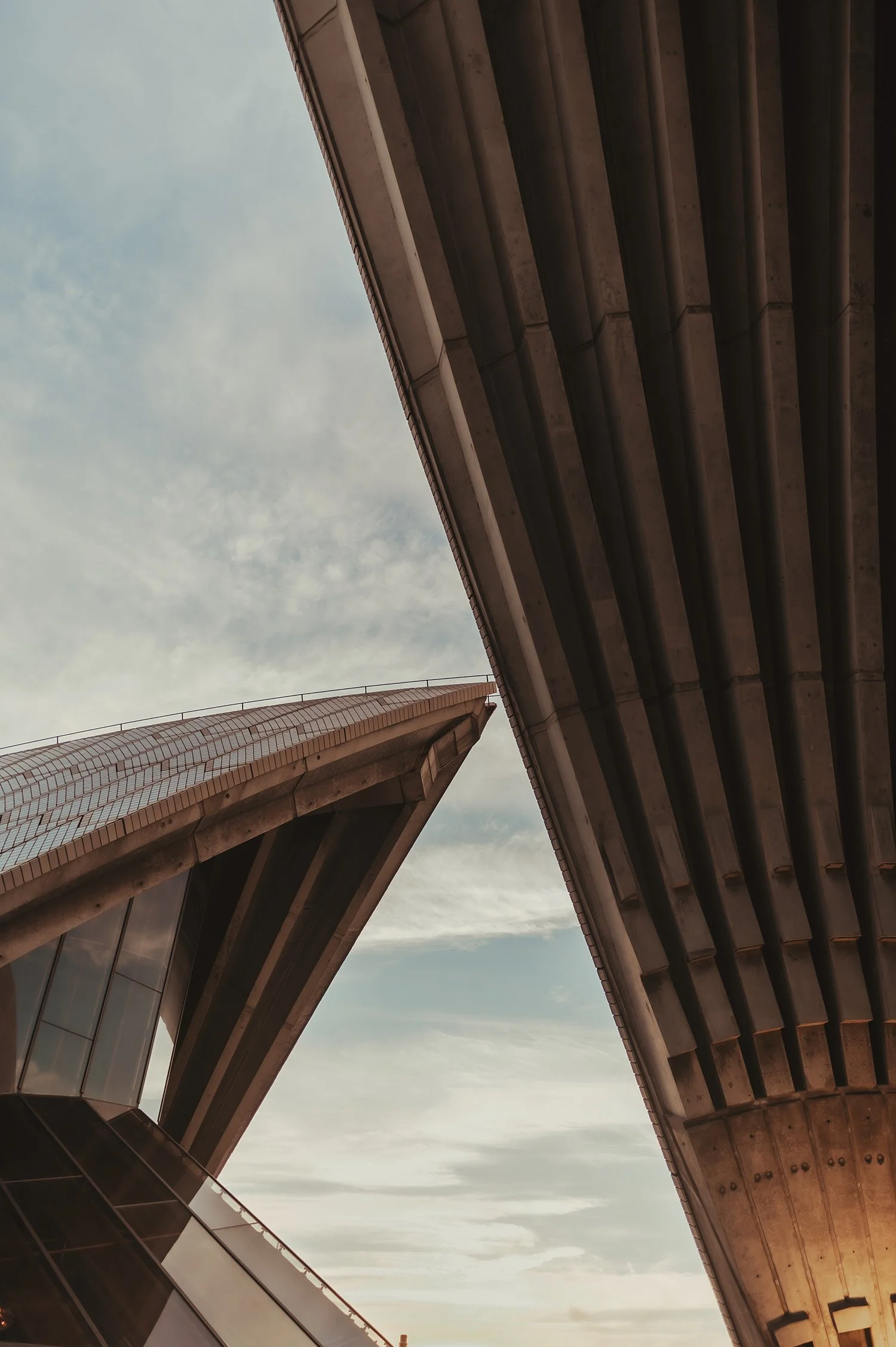
8. What advice would you give photographers wanting to create travel imagery that feels more personal and emotionally connected?
I think imagery feels personal and emotionally connected when you feel the person taking the images. It is like a self-portrait without them in the frame. They are present, or you feel their presence. I think this comes from the story you tell, and the way it is composed.
I often tell photographers in my coaching and mentoring that they need to move around more. I see many galleries where the images are shot from the same perspective and at the same camera height. They don’t move. So every image looks similar. But when we look for the story, we have to move around.
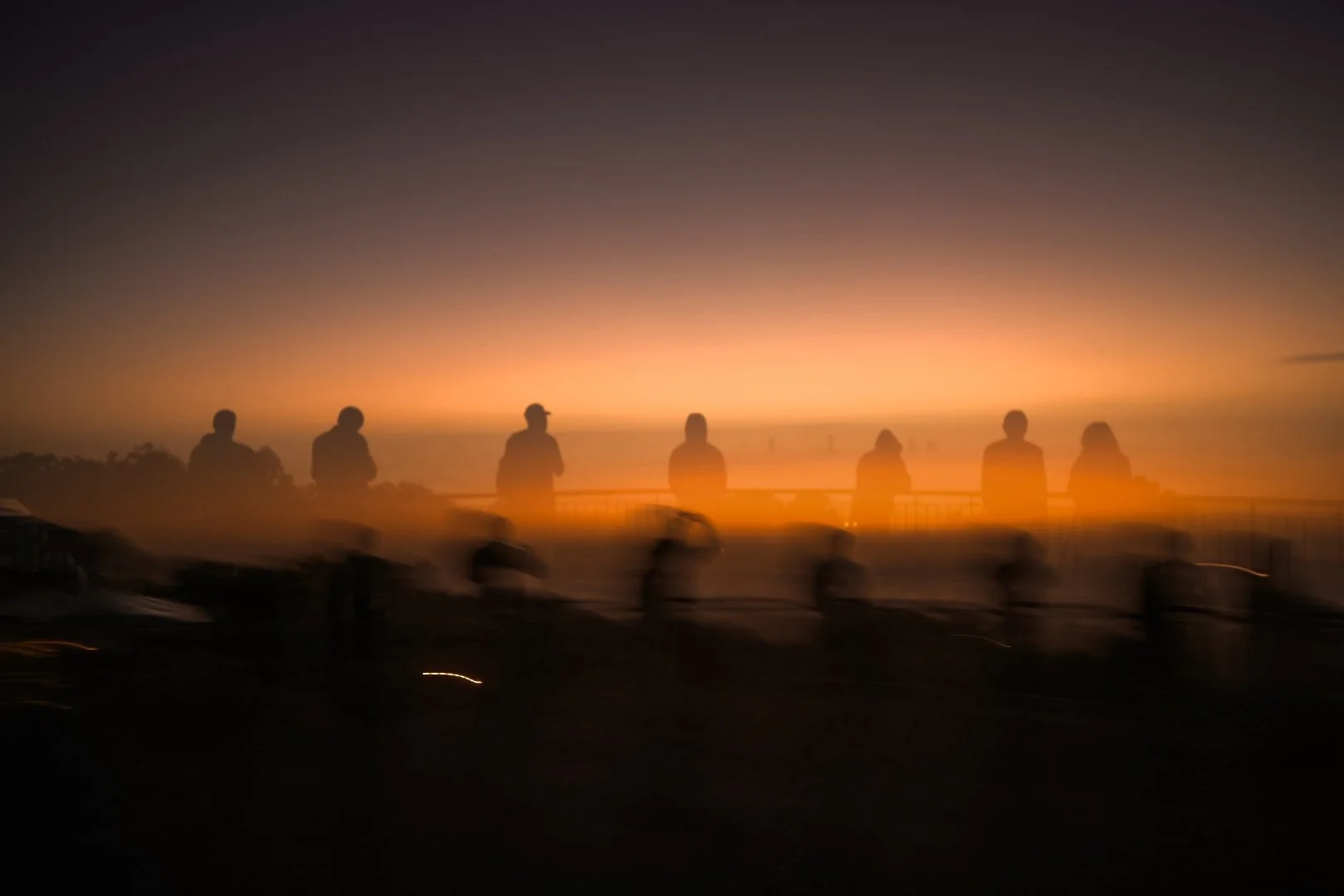
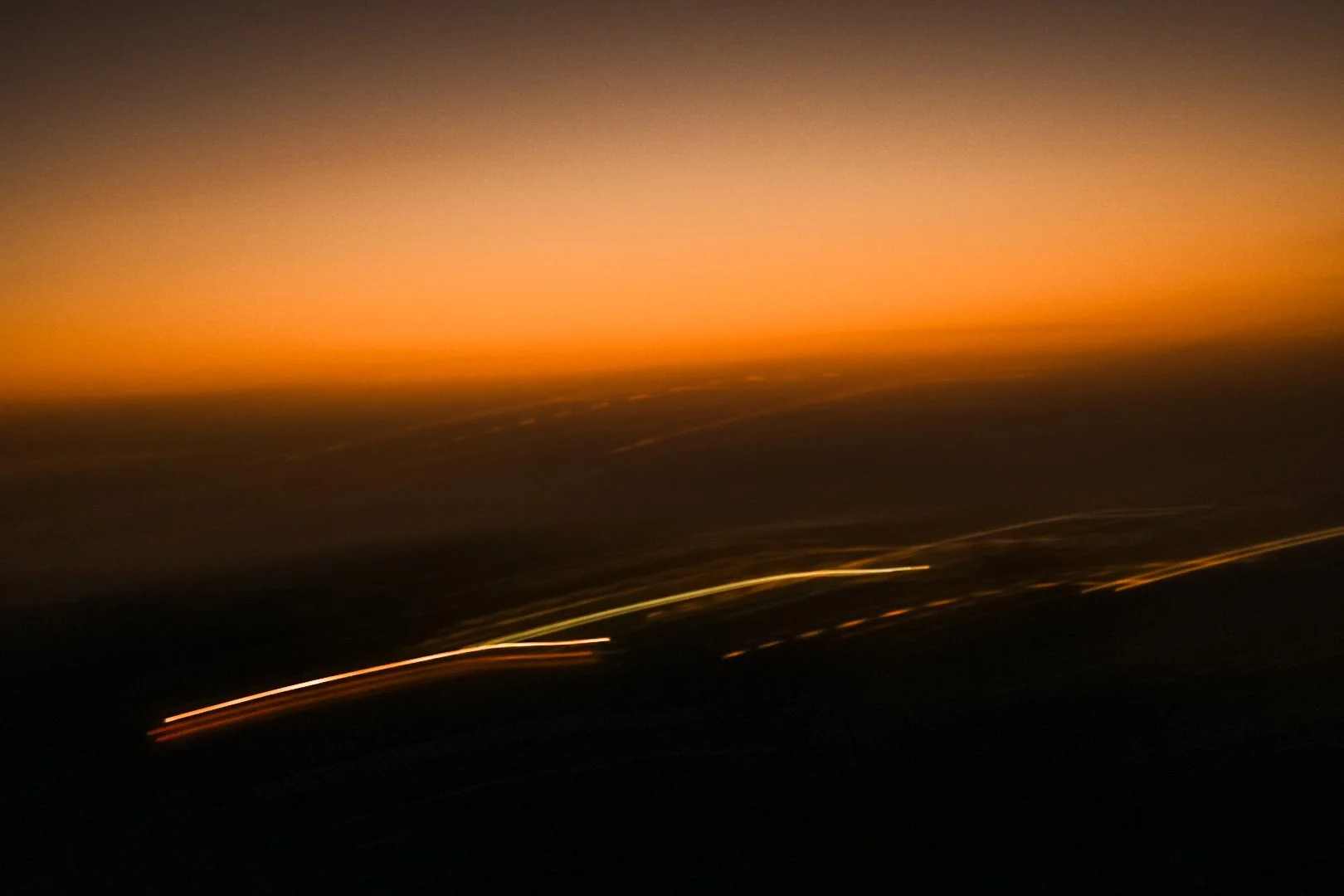
I recently went to Mt Coot-tha to watch the sunrise, and I took my camera with me. There were other photographers there, set up with their tripods, shooting in one spot. And I realised after a while, all their shots would be the same. The light and colours would be different, but the subject and composition would be stagnant. So, if you look at the whole gallery, the imagery would be repetitive.
To be honest, I only noticed it because I started moving around and using them as subjects in my photos. I like to tell a story in my photos, even for a sunrise. So rather than focusing on one killer image, I will shoot for a series.
And for composition, I like to use frames. I use frames in all genres, whether it is portraits, still-life or travel. I feel like it softens the subject while adding my presence to the frame. I often use leaves, or plants or lines of a building to frame the subject. I am not a minimalist photographer. I like full photos.
So, I have taught myself to find these elements where I am shooting.
And I encourage you to find the elements you like and bring them into the frame… and move! Always move!